

Advanced Neurosurgical Care for Brain and Nervous System Conditions
Neurosurgical conditions can affect the brain, blood vessels, nerves and, in some cases, the spine and spinal cord. Depending on the condition, treatment may involve careful monitoring, medicines, minimally invasive procedures or surgery.
At KD Hospital, neurosurgical care is supported by a multidisciplinary team of neurosurgeons, neurologists, interventional neuroradiologists, critical care specialists, radiologists and rehabilitation professionals. Our approach focuses on understanding each patient's condition and choosing the most appropriate treatment based on their individual needs.
From brain tumours and aneurysms to neurotrauma, epilepsy requiring surgery and selected movement disorders, patients have access to diagnostic, surgical and supportive care within the hospital.
Neurosurgery involves the diagnosis and treatment of conditions affecting the brain, blood vessels and nervous system. At KD Hospital, our services include both surgical and non- surgical approaches, depending on the patient's diagnosis.
Neurosurgery involves the diagnosis and treatment of conditions affecting the brain, spine, blood vessels and nervous system. At KD Hospital, our services include surgical and minimally invasive approaches tailored to each patient’s diagnosis and clinical needs.
Some neurological symptoms require immediate medical attention.
Seek emergency care if you experience:
Sudden neurological symptoms can indicate a serious condition and should not be ignored. Zydus similarly highlights sudden neurological changes, severe headache, seizures and concerning head-injury symptoms as reasons for urgent care.
Understanding the Condition Before Treatment
Accurate diagnosis is an important part of neurosurgical care. Your doctor may recommend different investigations depending on your symptoms and suspected condition.
At KD Hospital, diagnostic support includes:
CT Scan
Useful for evaluating the brain, particularly in emergencies such as head injuries and suspected bleeding.
MRI
Provides detailed images of the brain and other neurological structures and may be used to assess tumours and other conditions.
3D Digital Subtraction Angiography (DSA)
Provides detailed imaging of blood vessels and may be used when evaluating aneurysms and vascular abnormalities.
EEG & Video EEG, Stereo EEG
Used to assess abnormal electrical activity in the brain, particularly in patients with seizures.
EMG & Nerve Conduction Studies
Help assess the function of nerves and muscles when required.
Carotid Doppler Studies
Carotid, vertebral and transcranial Doppler studies can help evaluate blood flow in selected patients.
Comprehensive Neurosurgical Care
24×7 Emergency Support
Neurological emergencies can require immediate assessment and treatment. KD Hospital provides round-the-clock emergency services.
Multidisciplinary Expertise
Neurosurgeons work alongside neurologists, interventional neuroradiologists, critical care specialists and rehabilitation teams.
Advanced Diagnostics
Access to CT, MRI, vascular imaging and neurological investigations supports detailed evaluation.
Surgical & Non-Surgical Options
Not every neurological condition requires surgery. Treatment is recommended according to the patient's diagnosis and individual needs.
Critical Care Support
Trauma ICU and other critical care facilities support patients who require close monitoring.
Rehabilitation Support
Neurophysiotherapy and rehabilitation services help patients who need continued support after neurological treatment.
Care Under One Roof
Patients can access multiple diagnostic, treatment and supportive services within the hospital.
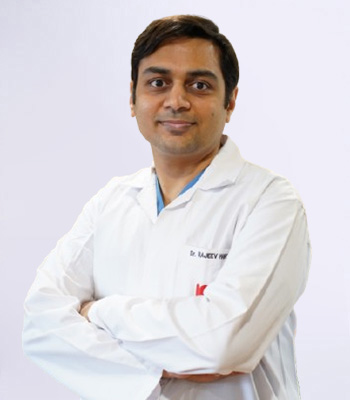
MBBS | MS (General Surgery)M.Ch (Neuro Surgery)
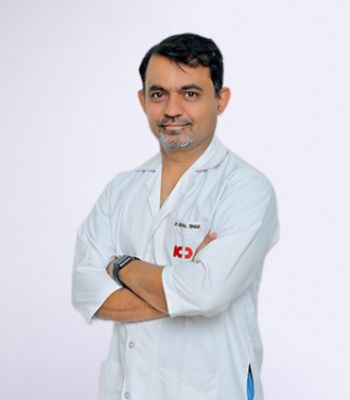
MBBS | MS (General Surgery)M.Ch (Neuro Surgery)
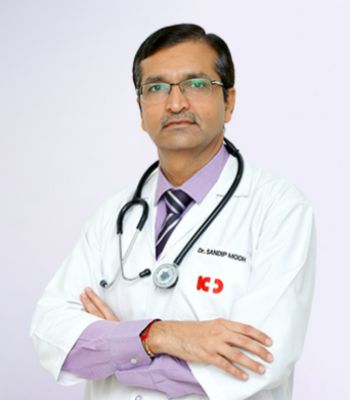
MBBS | MS (General Surgery)M.Ch (Neuro Surgery)
Get in touch with our hospital care desk to schedule your consultation at KD Hospital, Ahmedabad.
Book Appointment OnlineNeurology mainly focuses on diagnosing and medically managing conditions affecting the nervous system. Neurosurgery focuses on conditions that may require a surgical or procedural approach. In many cases, neurologists and neurosurgeons work together to decide the most appropriate treatment.
No. Surgery is not required for every brain or neurological condition. Depending on the diagnosis, medicines, monitoring, rehabilitation or other treatments may be appropriate. Surgery is considered when it is clinically indicated.
A Neurologist primarily diagnoses and manages neurological conditions through medicines and other non-surgical treatments. A Neurosurgeon specialises in surgical treatment of conditions involving the brain, nervous system and, in selected cases, the spine and spinal cord.
A neurosurgical consultation may be recommended if you have been diagnosed with a condition that may require surgery, such as a brain tumour, aneurysm, vascular malformation or certain forms of epilepsy. Sudden neurological symptoms or serious head injuries require immediate medical attention.
It is useful to bring previous MRI or CT scans, blood-test reports, prescriptions and details of previous treatment. These records can help the neurosurgeon understand your medical history and plan the next steps.
Yes. While most epilepsy is managed with medicines, some patients with difficult-to-control seizures may be evaluated for surgery. A detailed assessment is required to determine whether surgery is appropriate.
Minimally invasive neurosurgery uses smaller access points or specialised techniques for selected conditions instead of conventional open surgery. Endoscopic and keyhole approaches may be considered when clinically appropriate.
Deep Brain Stimulation (DBS) is a functional neurosurgical procedure in which a device delivers controlled electrical stimulation to specific areas of the brain. It may be considered for selected patients with conditions such as Parkinson's disease or essential tremor.
After surgery, patients are monitored and receive appropriate post-operative care. Depending on the procedure and their condition, some patients may also require physiotherapy, rehabilitation and follow-up appointments.
