


By Dr Hardik M Shah
Consultant ENT Surgeon
Dec 26, 2025
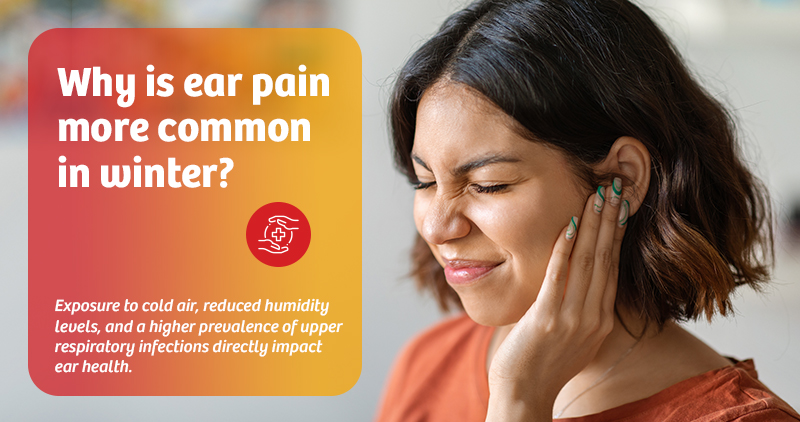
Winter weather creates the perfect environment for ear-related issues. Exposure to cold air, reduced humidity levels, and a higher prevalence of upper respiratory infections directly impact ear health. The ears are connected to the nose and throat through the eustachian tube, which helps regulate pressure and drain fluid during winter. Congestion and infections can disrupt this balance, leading to pain and discomfort.
Cold winds can irritate sensitive nerves around the ear, while indoor heating can dry out ear canals, leading to increased irritation and a higher susceptibility to infection.
1. Cold air exposure
Cold temperatures can directly affect the ears, especially when they’re uncovered. Sudden exposure to icy winds may cause
In some cases, prolonged exposure can even lead to frostnip or frostbite of the outer ear.
2. Ear infections (otitis media and otitis externa)
Winter is peak season for infections, making ear infections a leading cause of ear pain.
Symptoms include
3. Sinus congestion and pressure
The incidence of sinus infections and nasal congestion increases significantly. When sinuses are blocked, pressure builds up and can radiate to the ears, causing
4. Eustachian tube dysfunction
The eustachian tube helps equalise ear pressure. In winter, colds, allergies, and sinus infections can cause inflammation, leading to
Children are especially prone to this due to narrower Eustachian tubes.
5. Dry air and indoor heating
Heaters reduce humidity levels indoors, which can dry out the skin inside the ear canal. This dryness may result in
6. Dental and jaw problems
Exposure to cold weather may heighten tooth sensitivity and worsen temporomandibular joint (TMJ) disorders, often presenting as ear pain. Jaw tension caused by clenching due to cold can radiate pain to the ears.
7. Wax buildup
In winter, people tend to clean their ears less frequently or use earphones and earplugs more often. It can lead to impacted earwax, causing
Symptoms associated with winter ear pain
Ear pain in winter may present with additional symptoms, such as
Recognising these symptoms early helps prevent complications.
1. Keep your ears warm
Cover your ears with earmuffs, scarves, or hats when going outdoors to protect them from the cold. Protecting ears from cold winds is one of the simplest yet most effective preventive measures.
2. Treat colds and sinus infections promptly
Since many ear problems stem from respiratory infections
Managing congestion early reduces pressure on the ears.
3. Maintain proper ear hygiene
4. Use warm compresses
Applying a warm compress to the affected ear for 10–15 minutes can help
This is particularly helpful for mild infections or cold-related discomfort.
5. Stay hydrated
Drinking adequate amounts of water helps thin mucus, improves sinus drainage, and reduces Eustachian tube blockage.
6. Humidify indoor air
Using a humidifier during winter keeps indoor air moist, preventing dryness in the ear canal and nasal passages.
7. Manage allergies
Winter allergies, dust mites or indoor pollutants can cause ear congestion. Antihistamines or allergy treatments (as prescribed) may help.
8. Pain relief medications
Over-the-counter pain relievers such as acetaminophen or ibuprofen can help manage ear pain. Always follow dosage guidelines and consult a doctor for children.
Seek medical attention if
Failure to address persistent ear pain may result in complications, including chronic ear infections and hearing loss.
Simple preventive tips
Prevention is always better than a cure, especially during winter.
Children are more susceptible to ear pain due to
Parents should watch for signs like ear pulling, irritability, or sleep disturbances and consult a paediatrician when needed.
1. Is ear pain in winter always due to infection?
No, Cold air exposure, sinus pressure, and dryness are also common causes.
2. Can cold wind directly cause ear pain?
Yes, Cold wind can irritate nerves and worsen existing ear conditions.
3. Does wearing earphones in winter worsen ear pain?
Prolonged use may trap moisture or worsen wax buildup, contributing to discomfort.
Ear pain during winter is a common but often manageable condition. Cold weather, infections, and dry air are the main causes, but with proper care, most cases can be effectively prevented or treated. Keeping your ears warm, maintaining good hygiene, managing colds promptly, and knowing when to seek medical help are key steps in protecting your ear health.
At KD Hospital, our ENT specialists are equipped to diagnose and treat winter-related ear problems with expert care and advanced facilities.
By following the tips outlined in this guide and seeking timely medical advice when needed, you can enjoy the winter season comfortably—without the distraction of ear pain.
KD Hospital — Caring for your health, every season.
