


By Dr Abhishek Savalia
Consultant Urology
May 01, 2026
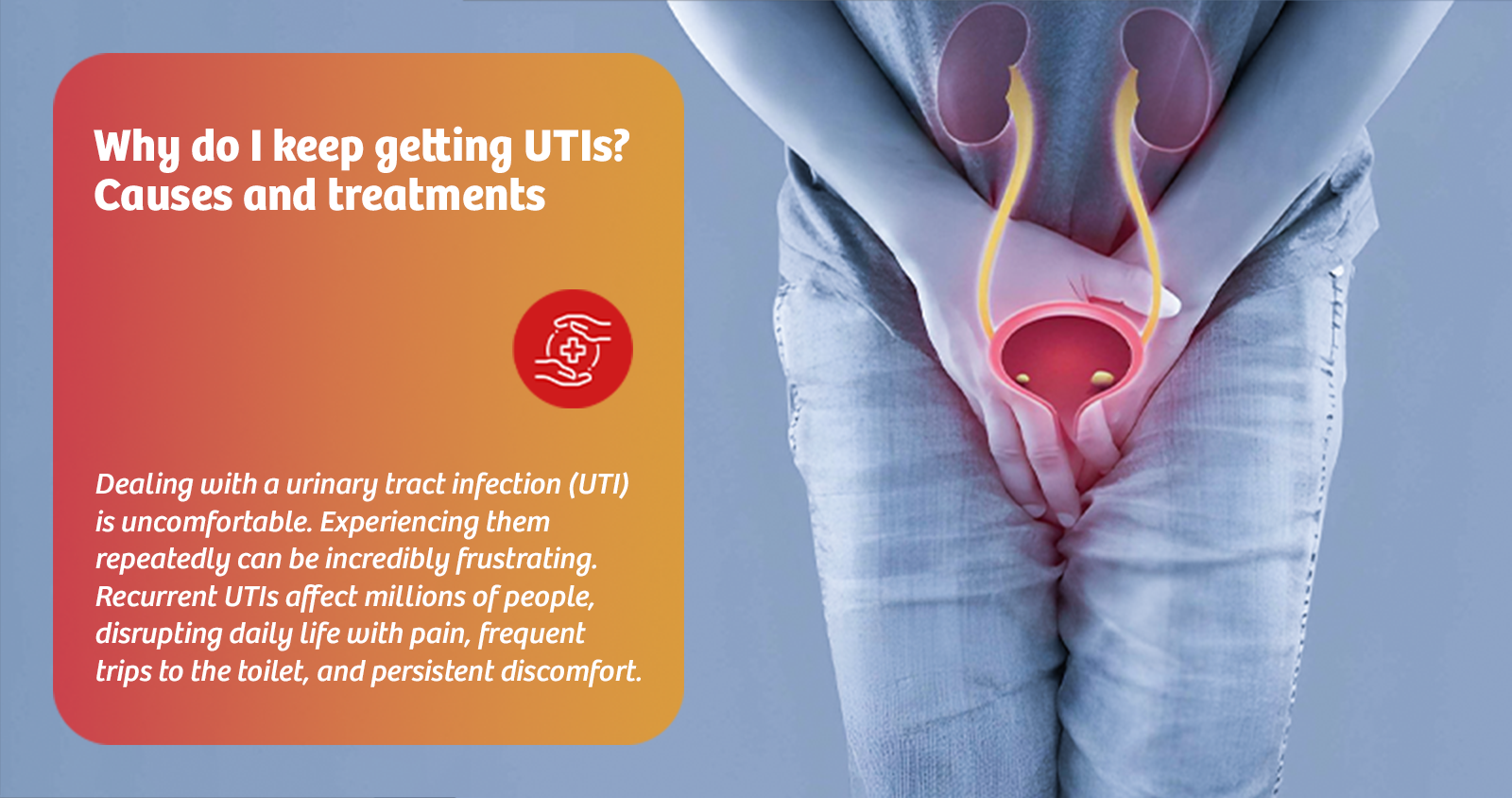
Dealing with a urinary tract infection (UTI) is uncomfortable. Experiencing them repeatedly can be incredibly frustrating. Recurrent UTIs affect millions of people, disrupting daily life with pain, frequent trips to the toilet, and persistent discomfort.
If you find yourself constantly battling these infections, you are not alone. Many individuals experience repeated flare-ups even after completing a course of antibiotics. Understanding why they keep returning is the vital first step towards finding lasting relief..
This blog explores the primary causes of frequent UTIs, practical steps you can take to prevent them, and long-term medical treatment options to help you break the cycle for good.
A urinary tract infection is generally considered recurrent if you experience
Most infections occur when bacteria, typically E. coli from the digestive tract, enter the urethra and multiply in the bladder. While a standard course of antibiotics usually clears an isolated infection, recurrent cases require a closer evaluation of underlying triggers and habits.
Multiple factors may predispose individuals to recurrent urinary tract infections. Recognising your personal risk factors can help you and your doctor develop an effective prevention plan.
Anatomy plays a significant role in infection rates. Women develop UTIs far more frequently than men because the female urethra is shorter. Additionally, it is located close to the anus, making it easier for bacteria to travel into the bladder and cause infection.
Physical intimacy is a common trigger. Movement during sexual activity can push bacteria into the urethra. Those with new sexual partners or frequent sexual activity may notice an increased risk of UTIs.
As women enter menopause, oestrogen levels decline. This leads to thinning of urinary tract tissues and changes in the natural vaginal flora. These changes make it easier for harmful bacteria to grow and cause infection..
Frequent infections may indicate an underlying condition such as
You do not have to rely solely on medication. Simple lifestyle changes can significantly reduce your risk of developing UTIs.
1. Stay hydrated
Drinking plenty of water helps dilute urine and promotes frequent urination, flushing bacteria out of the urinary tract before infection can develop.
2. Practise good toilet hygiene
Always wipe from front to back after using the toilet. This prevents bacteria from the anal area from spreading to the urethra. Avoid holding urine for prolonged periods; empty your bladder when needed.
3. Urinate after sexual activity
Passing urine shortly after intercourse helps flush out bacteria that may have entered the urethra during sex.
4. Choose breathable clothing
Tight clothing and synthetic fabrics can trap heat and moisture, potentially encouraging bacterial growth. Opt for loose-fitting garments and 100% cotton underwear to keep the area dry.
If lifestyle modifications are inadequate, medical intervention may be required. Your doctor may recommend:
1. Low-dose daily antibiotics
Long-term, low-dose antibiotic prophylaxis may be prescribed for up to six months to prevent recurrent infections.
2. Post-coital antibiotics
If UTIs are linked to sexual activity, a single antibiotic dose taken after intercourse can be effective.
3. Vaginal oestrogen therapy
For postmenopausal women, local oestrogen therapy (creams, rings, or tablets) can improve urogenital tissue integrity and restore normal vaginal flora, thereby lowering infection risk.
Can cranberry juice cure a UTI?
Cranberry products may help prevent UTIs by reducing bacterial adherence to the bladder wall, but they cannot treat an active infection. Antibiotics are still required.
How do I know if a UTI has spread to the kidneys?
Symptoms of a kidney infection include
This is a medical emergency requiring immediate attention.
Can men get recurrent UTIs?
Yes, although it is less common. In men, recurrent UTIs are often associated with conditions such as an enlarged prostate or urinary obstruction.
Living with recurrent UTIs can be exhausting, but it is not something you have to accept. By understanding the causes, adopting healthy habits, and working closely with a healthcare professional, you can regain control and improve your quality of life.
If you are experiencing frequent infections, consult a urologist. Together, you can identify the cause and develop a personalised treatment plan.
