


By Dr Wasimahmed M Sachora
Consultant Internal Medicine
Feb 26, 2026
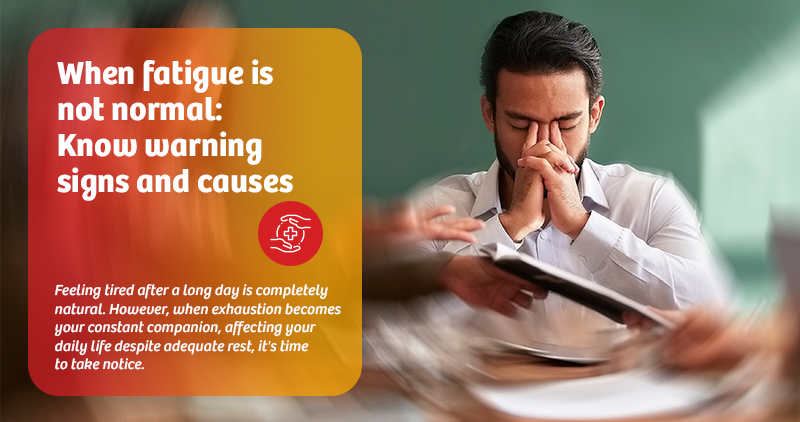
Feeling tired after a long day is completely natural. However, when exhaustion becomes your constant companion, affecting your daily life despite adequate rest, it's time to take notice. Understanding when fatigue crosses the line from normal tiredness to a potential health concern can be crucial for your well-being.
Normal fatigue typically resolves with rest, sleep, or a break from stressful activities. Abnormal fatigue, however, is persistent, overwhelming, and doesn't improve significantly with rest. Medical professionals often describe this as chronic fatigue when it lasts for six months or longer.
Unlike the tiredness you feel after a workout or a busy day, abnormal fatigue can make even simple tasks feel impossible. You might struggle to get out of bed, find it difficult to concentrate, or feel completely drained despite sleeping for hours.
Persistent exhaustion despite rest
If you're getting seven to nine hours of sleep regularly but still wake up feeling exhausted, this is a red flag. When rest doesn't restore your energy levels, your body may be signalling an underlying issue that needs investigation.
Sudden onset of severe fatigue
A dramatic, unexplained drop in energy levels deserves immediate attention. If you've gone from feeling energetic to completely exhausted within a short period without an obvious cause, consult a healthcare provider.
Fatigue accompanied by other symptoms
Watch for fatigue combined with
These combinations often indicate conditions requiring medical evaluation.
Fatigue that interferes with daily life
When tiredness prevents you from working, socialising, exercising, or completing routine tasks, it's no longer normal. This level of impairment suggests a medical issue that needs addressing.
Worsening fatigue over time
If your exhaustion is worsening rather than improving, don't wait to seek help. Progressive fatigue can indicate conditions that benefit from early intervention.
Anemia
One of the most common causes of persistent fatigue, anaemia occurs when your blood doesn't carry enough oxygen to your body's tissues. Iron deficiency is the most frequent culprit, but vitamin B12 and folate deficiencies can also cause anaemia. Women with heavy menstrual periods are particularly susceptible.
Thyroid disorders
Your thyroid gland regulates metabolism, and when it's not functioning properly, fatigue often results. Hypothyroidism (underactive thyroid) is especially common in women and can cause overwhelming tiredness, weight gain, and cold sensitivity. The positive aspect is that thyroid disorders can be easily diagnosed with blood tests and treated with medication.
Diabetes
Both Type 1 and Type 2 diabetes can cause significant fatigue. When your body can't properly use glucose for energy, exhaustion follows. Other symptoms include excessive thirst, frequent urination, blurred vision, and slow-healing wounds.
Sleep disorders
Sleep apnea is a condition in which breathing repeatedly stops and starts during sleep, preventing restorative rest, even if you spend eight hours in bed. Other sleep disorders, like restless leg syndrome and insomnia, can also lead to chronic fatigue.
Chronic fatigue syndrome
Also known as myalgic encephalomyelitis (ME/CFS), this complex disorder causes extreme fatigue that doesn't improve with rest and worsens with physical or mental activity. While the exact cause remains unclear, it's a legitimate medical condition requiring specialised care.
Depression and anxiety
Mental health conditions significantly impact energy levels. Depression often manifests as persistent tiredness, loss of interest in activities, and difficulty getting out of bed. Anxiety can be equally exhausting, as constant worry and tension drain your energy reserves.
Heart disease
The heart pumps oxygen-rich blood throughout your body, and when it's not functioning optimally, fatigue results. If you experience tiredness along with chest discomfort, shortness of breath, or swelling in your legs, seek immediate medical attention.
Autoimmune diseases
Conditions like lupus, rheumatoid arthritis, and multiple sclerosis often include debilitating fatigue as a primary symptom. These diseases occur when the immune system mistakenly attacks healthy tissue, leading to inflammation and fatigue.
Chronic kidney disease
When the kidneys fail to filter waste effectively, toxins accumulate in the blood, causing fatigue, nausea, and difficulty concentrating. Early detection is crucial for managing this progressive condition.
Medication side effects
Many prescription and over-the-counter medications list fatigue as a side effect. Blood pressure medications, antihistamines, antidepressants, and pain relievers can all contribute to tiredness. Never stop medications without consulting your doctor, but do discuss any concerning side effects.
Poor sleep hygiene
Irregular sleep schedules, screen time before bed, late-day caffeine intake, and an uncomfortable sleep environment can all interfere with quality sleep, leading to chronic tiredness.
Nutritional deficiencies
Beyond anaemia, deficiencies in vitamin D, magnesium, and other essential nutrients can sap your energy. A diet lacking in whole foods and heavy in processed items may leave you feeling depleted.
Chronic stress
When stress becomes chronic, the body stays in a constant state of high alert, eventually leading to exhaustion. The sustained release of stress hormones takes a significant toll on energy levels.
Sedentary lifestyle
Interestingly, a lack of physical activity can actually increase feelings of fatigue. Regular exercise actually boosts energy levels by improving cardiovascular health and promoting better sleep.
Dehydration
Even mild dehydration can cause tiredness, difficulty concentrating, and reduced physical performance. Many people don't drink enough water throughout the day.
When to see a doctor
Schedule an appointment with your healthcare provider if you experience
Taking action
If you’re experiencing unusual fatigue, keep a symptom diary to track your energy levels, sleep patterns, diet, daily activities, and any other symptoms you notice. This information helps your doctor identify patterns and potential causes. Blood tests can reveal many common causes of fatigue, including anaemia, thyroid problems, and diabetes. Depending on your symptoms and medical history, your doctor may recommend additional testing or refer you to specialists.
While everyone feels tired sometimes, persistent, overwhelming fatigue that doesn't improve with rest isn't something to ignore. Your body uses fatigue as a signal that something needs attention. Whether the cause is medical, lifestyle-related, or a combination of factors, identifying and addressing abnormal fatigue can dramatically improve your quality of life.
Don't accept chronic exhaustion as your new normal. With proper evaluation and treatment, most causes of abnormal fatigue can be successfully managed, helping you reclaim your energy and vitality. Listen to your body, document your symptoms, and seek professional guidance when fatigued with the life you want to live.
Remember, taking your fatigue seriously isn't being dramatic or weak—it's being proactive about your health. You deserve to feel energised and capable of enjoying your daily life.
