

By Dr Kush Shah
Consultant Surgical Oncologist and Robotic Surgeon
Feb 28, 2026
Cancer surgery marks a pivotal moment in a patient's journey toward recovery. While the surgical removal of tumours is essential, what happens afterwards is equally crucial for long-term health and quality of life. Nutrition and rehabilitation are the cornerstones of post-surgical cancer care—playing a vital role in restoring strength, accelerating recovery, minimising complications, and supporting a better quality of life after treatment.
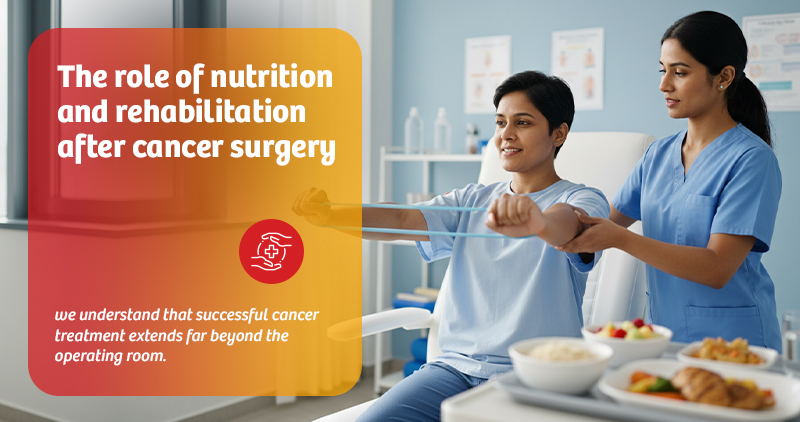
At KD Hospital, we understand that successful cancer treatment extends far beyond the operating room. Our comprehensive approach to post-surgical care emphasises personalised nutrition plans and structured rehabilitation programs designed to support every patient's unique recovery journey.
Cancer surgery places significant physical stress on the body. The healing process requires substantial energy and nutrients, while the immune system works overtime to repair tissues and prevent infections. Additionally, many cancer surgeries involve the removal of organs or tissues that play roles in digestion and nutrient absorption, making nutritional support even more critical.
The recovery period varies depending on the type and extent of surgery, but common challenges include fatigue, loss of appetite, difficulty swallowing, changes in taste, digestive issues, and muscle weakness. These obstacles can create a cycle where poor nutrition leads to slower healing, which further diminishes appetite and strength.
Proper nutrition after cancer surgery serves multiple essential functions. First and foremost, it accelerates wound healing by providing the proteins, vitamins, and minerals necessary for tissue repair. Adequate nutrition also strengthens the immune system, helping the body fight off potential infections at surgical sites and throughout the recovery period.
Nutrition plays a vital role in maintaining muscle mass, which patients often lose during cancer treatment and periods of reduced activity. Preserving lean muscle tissue supports mobility, independence, and overall quality of life. Furthermore, nutrition provides the energy needed for daily activities and rehabilitation exercises, helping patients gradually return to their normal routines.
For patients scheduled to receive additional treatments such as chemotherapy or radiation therapy, achieving optimal nutritional status beforehand is crucial, as it helps improve treatment tolerance, supports recovery, and contributes to better overall clinical outcomes. Well-nourished patients typically experience fewer treatment-related side effects and better overall results.
Protein stands as the most critical nutrient for post-surgical healing. It supports wound repair, maintains muscle mass, and strengthens immune function. Excellent protein sources include lean meats, fish, eggs, dairy products, legumes, nuts, and seeds. Patients should aim to include protein with every meal and snack.
We do not routinely recommend protein supplements. Instead, we encourage meeting protein requirements through a well-balanced diet that includes high-quality natural food sources of protein.
Vitamins and minerals play specific roles in recovery. Vitamin C supports collagen formation and wound healing, found abundantly in citrus fruits, berries, and leafy greens. Adequate intake of Vitamin A supports tissue repair and immune defence and can be achieved through foods such as carrots, sweet potatoes, and dark green vegetables.
B vitamins help the body convert food into energy and support healthy red blood cell production and are found in whole grains, lean meats, and fortified cereals. Zinc facilitates wound healing and immune function, found in meat, seafood, nuts, and seeds. Iron prevents anaemia and supports oxygen transport throughout the body, available in red meat, beans, and fortified foods.
Healthy fats provide concentrated energy and support the absorption of fat-soluble vitamins. Sources include olive oil, avocados, nuts, seeds, and fatty fish rich in omega-3 fatty acids, which possess anti-inflammatory properties.
Adequate hydration cannot be overstated. Water supports every bodily function, aids digestion, prevents constipation, and helps flush out anaesthetics and medications. Patients are encouraged to consume approximately 8–10 glasses of fluids per day, unless otherwise advised by their treating healthcare team based on individual medical needs.
Many cancer patients experience reduced appetite after surgery due to pain medications, anaesthesia effects, or emotional stress. To manage your eating habits, have small, frequent meals instead of three large ones. Focus on nutrient-dense foods that offer maximum nutrition in smaller portions. Keep healthy snacks easily accessible, and create a comfortable and pleasant eating environment to make meals more appealing and enjoyable.
Nausea and digestive issues are common after certain cancer surgeries. To help manage these symptoms, choose bland, light, and easy-to-digest foods such as rice, bananas, and toast, which are gentle on the stomach and better tolerated during recovery. It's important to avoid greasy, spicy, or heavily seasoned foods. Eating slowly and chewing thoroughly can aid digestion, as can staying upright after meals. Additionally, trying ginger tea or peppermint can help settle the stomach.
For patients experiencing difficulty swallowing, soft, moist foods become essential. Smoothies, pureed soups, scrambled eggs, yogurt, and well-cooked vegetables can provide necessary nutrition without causing discomfort. Adding gravies, sauces, or broths to foods increases moisture and makes swallowing easier.
Changes in taste are another frequent complaint after cancer surgery and treatment. To adapt to these changes, try experimenting with different flavours and seasonings, use plastic utensils if foods have a metallic taste, choose cold or room-temperature foods when hot foods feel unappealing, and enhance flavour with herbs and spices instead of adding extra salt.
While nutrition provides the building blocks for recovery, rehabilitation puts them to work. Physical rehabilitation after cancer surgery helps restore function, improve mobility, rebuild strength and endurance, prevent complications like blood clots and pneumonia, and enhance overall quality of life.
Early mobilisation, often beginning within hours of surgery when appropriate, offers tremendous benefits. Even simple activities such as sitting up in bed, taking short walks in the hospital corridor, and performing gentle range-of-motion exercises can make a significant difference in recovery speed and outcomes.
As recovery progresses, rehabilitation becomes more structured and intensive. A comprehensive program typically includes several components. Strength training helps rebuild muscle lost during illness and recovery, starting with light resistance and gradually increasing as tolerance improves. Cardiovascular exercise enhances heart and lung function, increases energy levels, and promotes overall health through activities such as walking, cycling, or swimming, tailored to individual capabilities.
Flexibility and stretching exercises maintain joint range of motion, prevent stiffness, and reduce the risk of injury during other activities. Balance training is especially crucial for older patients and individuals who have undergone prolonged bed rest. It helps to reduce the risk of falls and enhances confidence in movement.
At KD Hospital, rehabilitation specialists work closely with patients to develop individualised programs based on the type of cancer surgery performed, overall health status and fitness level before surgery, specific physical limitations or challenges, and personal goals for recovery and quality of life.
The rehabilitation timeline typically progresses through distinct phases. The immediate post-operative phase focuses on preventing complications through gentle movement, breathing exercises, and gradual increases in activity within the first days to weeks after surgery. The early recovery phase emphasises rebuilding basic strength and endurance, improving mobility and independence in daily activities, and managing pain and fatigue through appropriate exercise during weeks two through six post-surgery.
The intermediate recovery phase works on returning to normal activities of daily living, continuing to build strength and stamina, and addressing any specific functional limitations from weeks six through twelve. The long-term recovery and maintenance phase establishes sustainable exercise habits, optimises physical function and quality of life, while focusing on reducing the risk of cancer recurrence through healthy lifestyle choices in the months and years following surgery.
The combination of proper nutrition and physical rehabilitation leads to outcomes that are more effective than using either approach independently. Adequate protein and calorie intake fuels rehabilitation exercises and supports muscle recovery and growth. Exercise stimulates appetite and improves digestion, making it easier to meet nutritional needs. Both nutrition and exercise combat fatigue, one of the most common and debilitating post-cancer surgery symptoms.
Timing nutrition around rehabilitation activities can optimise results. Eating a light snack containing carbohydrates and protein about one to two hours before exercise provides energy for the activity. Consuming protein within thirty to sixty minutes after exercise supports muscle recovery and growth.
Different cancer surgeries present unique nutritional and rehabilitation challenges. Gastrointestinal cancer surgeries may require modified diets, such as low-fibre or low-residue diets initially, small, frequent meals to accommodate reduced stomach capacity, enzyme supplements if pancreatic function is affected, and attention to vitamin B12 and iron absorption if portions of the stomach or intestines were removed.
Breast cancer surgery rehabilitation typically focuses on restoring arm and shoulder mobility, preventing and managing lymphedema, supporting a gradual and safe approach to upper-body strengthening, and improving core strength.
Head and neck cancer surgeries may necessitate texture-modified diets based on swallowing ability, nutritional supplements if oral intake is insufficient, speech and swallowing therapy, and neck and shoulder exercises to maintain range of motion.
Recovery from cancer surgery involves emotional healing alongside physical restoration. Both nutrition and rehabilitation offer psychological benefits, as well as their physical effects. Preparing and enjoying nutritious meals can provide a sense of control and self-care. Achieving rehabilitation milestones builds confidence and optimism. Social aspects of group exercise classes or shared meals reduce isolation.
However, some patients struggle with motivation or face emotional barriers to eating well or exercising. Depression, anxiety, fear of recurrence, and body image concerns are common and valid. Professional support from counsellors, support groups, or mental health specialists can be invaluable.
At KD Hospital, we recognise that every cancer patient's recovery journey is unique. Our multidisciplinary team includes oncologists, surgeons, dietitians, physiotherapists, occupational therapists, and mental health professionals who collaborate to create personalised recovery plans.
Our nutrition services include individualised dietary assessments and meal planning, education about foods that support healing and immune function, strategies for managing treatment-related eating challenges, supplementation recommendations when dietary intake is insufficient, and ongoing monitoring and adjustment of nutrition plans as recovery progresses.
Our rehabilitation services feature comprehensive physical assessments to establish baseline function and identify specific needs, customised exercise programs that progress at appropriate rates, specialised therapies such as lymphedema management or pelvic floor rehabilitation, pain management techniques integrated with physical therapy, and education about long-term lifestyle habits that support health and reduce recurrence risk.
Success in post-surgical nutrition and rehabilitation requires strategies. Prepare by making and freezing meals before surgery, stocking up on nutritious, easy-to-prepare foods, and arranging for assistance with meal preparation during the initial recovery phase. Keep a food and symptom diary to identify patterns and problematic foods, track progress in appetite and intake, and share information with your healthcare team.
Set realistic goals by celebrating small victories in eating and activity, recognising that recovery is not linear, with setbacks being normal, and focusing on progress rather than perfection. Build a support system by involving family and friends in meal preparation and exercise activities, joining cancer survivor support groups, and communicating openly with your healthcare team about challenges.
The nutrition and rehabilitation habits developed during cancer recovery can evolve into lasting lifestyle changes that promote overall health and may reduce cancer recurrence risk. Maintaining a balanced, nutrient-rich diet supports optimal weight, reduces inflammation, and strengthens immune function. Regular physical activity reduces the risk of many chronic diseases, manages stress and improves mood, and enhances sleep quality and energy levels.
Research suggests that cancer survivors who maintain healthy weights, eat plenty of fruits and vegetables, exercise regularly, and avoid tobacco and excessive alcohol may have lower risks of cancer recurrence and better long-term survival.
Nutrition and rehabilitation are not optional extras in cancer recovery—they are essential components that significantly impact healing, quality of life, and long-term outcomes. While cancer surgery removes the immediate threat, proper nutrition provides the raw materials for healing, and rehabilitation puts the body back into motion.
At KD Hospital, we are committed to supporting our patients through every phase of their cancer journey, from diagnosis and treatment through recovery and beyond. Our comprehensive, personalised approach to post-surgical nutrition and rehabilitation ensures that each patient receives the specific support they need to heal, regain strength, and return to the activities and people they love. If you or a loved one is facing cancer surgery, know that recovery is possible and that you don't have to navigate this journey alone. Our experienced team is here to guide you toward optimal health and wellness.
Your healing journey begins here, and we are honoured to walk alongside you every step of the way.
