


By Dr Mansi Dandnaik
Consultant Critical Care & Transplant Intensivist
Jan 19, 2026
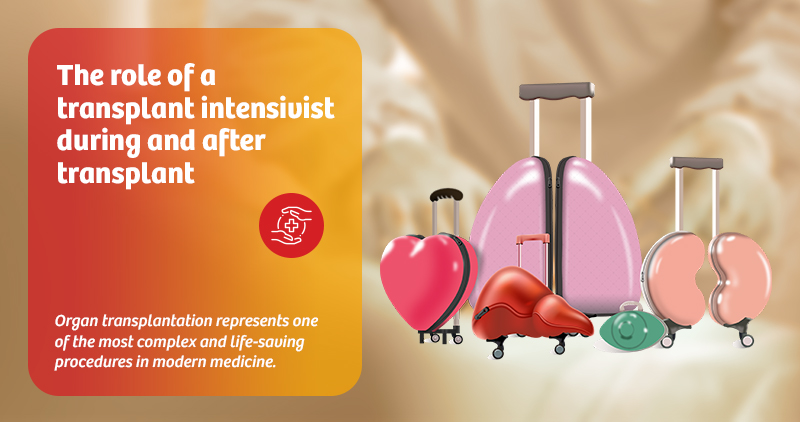
Organ transplantation represents one of the most complex and life-saving procedures in modern medicine. Behind every successful transplant is a dedicated team of specialists, among whom the transplant intensivist plays a crucial role that often goes unrecognised. These highly trained physicians specialise in critical care management specifically tailored to transplant patients, overseeing their care during some of the most vulnerable moments of their medical journey.
A transplant intensivist is a physician who combines expertise in critical care medicine with specialised knowledge of transplant surgery and immunology. These specialists complete rigorous training in internal medicine or surgery, followed by fellowship training in critical care, and often additional training in transplant medicine. Their unique skill set positions them to manage the complex medical needs of patients undergoing organ transplantation.
Unlike general intensivists who care for critically ill patients across various conditions, transplant intensivists focus specifically on the intricate physiological and immunological challenges that arise before, during, and after transplant procedures. They work closely with transplant surgeons, nephrologists, hepatologists, pulmonologists, and other specialists to provide comprehensive care.
Patient assessment and optimisation
Before a transplant occurs, the intensivist evaluates potential recipients who are critically ill and may need intensive care support while awaiting their organ. This includes patients with acute liver failure, end-stage heart failure, or severe respiratory compromise who require life-sustaining interventions such as mechanical ventilation, dialysis, or mechanical circulatory support.
The transplant intensivist works to stabilise these patients and optimise their medical condition to improve transplant outcomes. This involves managing organ function, correcting metabolic abnormalities, treating infections, and ensuring adequate nutrition. The goal is to keep patients as healthy as possible within the constraints of their failing organ systems.
Bridge therapy management
For patients waiting for transplants, intensivists manage various bridge therapies. In heart transplant candidates, this might include ventricular assist devices or inotropic support. For liver transplant patients, it could involve managing hepatic encephalopathy, coagulopathy, and preventing complications like hepatorenal syndrome. These interventions buy precious time while a suitable donor organ becomes available.
Surgical support and communication
During the actual transplant procedure, the transplant intensivist maintains close communication with the surgical team. While the surgeon performs the technical aspects of the operation, the intensivist may be consulted on hemodynamic management, fluid resuscitation strategies, and handling of unexpected complications that arise during surgery.
In many transplant centres, intensivists are involved in discussions about intraoperative monitoring, blood product administration, and the use of specialised equipment, such as continuous renal replacement therapy or extracorporeal membrane oxygenation, if needed during or immediately after the procedure.
ICU management
The most critical phase of a transplant intensivist's work begins the moment the patient arrives in the intensive care unit following surgery. The immediate post-transplant period carries numerous risks, and the intensivist serves as the quarterback coordinating all aspects of care.
Hemodynamic monitoring and support: Transplant patients often experience hemodynamic instability following surgery due to fluid shifts, blood loss, and the physiological stress of the procedure. The intensivist continuously monitors blood pressure, cardiac output, and organ perfusion, making rapid adjustments to fluid therapy and vasoactive medications to maintain optimal circulation.
Respiratory management: Many transplant recipients require mechanical ventilation in the immediate postoperative period. The intensivist manages ventilator settings, works to prevent ventilator-associated complications, and determines the appropriate timing for extubation. For lung transplant recipients, this requires particularly specialised expertise to protect the newly transplanted organs.
Graft function assessment: One of the most critical responsibilities is monitoring the function of the newly transplanted organ. For kidney transplants, this means tracking urine output and creatinine levels. For liver transplants, monitoring liver enzymes, coagulation factors, and synthetic function is necessary. For heart transplants, assessing cardiac rhythm. Early detection of graft dysfunction can make the difference between successful intervention and graft loss.
Immunosuppression management
Transplant intensivists work closely with transplant pharmacists and surgeons to initiate and manage immunosuppressive therapy. Maintaining this delicate balance is essential—too much immunosuppression increases the risk of infection, while insufficient levels can lead to organ rejection. The intensivist monitors drug levels, adjusts doses based on renal or hepatic function, and watches for side effects of these powerful medications.
Complication recognition and management
The intensivist remains vigilant for early signs of complications, including
Primary graft dysfunction: When the transplanted organ fails to function adequately from the start, requiring immediate intervention and potentially retransplantation.
Bleeding: Surgical bleeding is a common concern, particularly in liver transplant patients with coagulopathy. The intensivist coordinates blood product administration and may need to facilitate return to the operating room.
Infections: Transplant recipients are highly susceptible to infections. The intensivist implements preventive strategies, monitors for signs of infection, and initiates appropriate antimicrobial therapy when needed.
Acute rejection: While less common in the immediate post-transplant period, hyperacute or acute rejection can occur. The intensivist recognises warning signs and coordinates urgent treatment with the transplant team.
Transitioning from critical illness
As patients stabilise, the transplant intensivist oversees the gradual reduction of intensive support. This includes weaning from mechanical ventilation, transitioning from intravenous to oral medications, advancing nutrition, and beginning early mobilisation. The timing of these transitions requires clinical judgment to balance patient safety with the need for recovery.
Multiorgan support
Many transplant patients have dysfunction in organ systems beyond the transplanted organ. A liver transplant recipient may have acute kidney injury requiring dialysis. A heart transplant patient might develop respiratory failure. The intensivist coordinates multiorgan support while allowing the transplanted organ to recover.
Nutritional optimisation
Proper nutrition is vital for healing and graft function. Transplant intensivists collaborate closely with dietitians to ensure patients receive adequate calories and protein, delivered through enteral feeding or parenteral nutrition as needed. Nutritional plans are continuously adjusted based on metabolic demands and organ function.
Family communication and support
Throughout the ICU stay, the transplant intensivist serves as a primary point of contact for families. They communicate complex medical situations in clear, understandable terms, provide regular updates on the patient’s progress, discuss potential complications transparently, and support families in navigating difficult decisions during periods of uncertainty.
Follow-up care coordination
After discharge from the ICU, the transplant intensivist often remains involved in the patient's care, particularly if complications arise that require readmission to intensive care. They may consult on issues related to infection, rejection, or medication toxicity that develop weeks or months after transplant.Protocol development and quality improvement
Beyond individual patient care, transplant intensivists play a vital role in developing and refining clinical protocols that enhance outcomes for all transplant patients. They participate in multidisciplinary conferences, analyse data on complications and survival, and implement evidence-based practices to enhance the quality of transplant care.Education and training
Experienced transplant intensivists educate fellows, residents, nurses, and other healthcare professionals about the unique aspects of transplant critical care. This knowledge transfer ensures continuity of high-quality care and advances the field.The impact of specialised transplant critical care
Research demonstrates that specialised transplant intensive care units with dedicated transplant intensivists achieve better outcomes compared to general ICUs. These benefits include reduced mortality, fewer complications, shorter ICU stays, and better long-term graft survival. The intensivist's expertise in managing the unique physiology of transplant patients, recognising subtle signs of complications, and coordinating complex care makes this difference possible.Challenges and rewards
The role of a transplant intensivist is demanding. These physicians work long hours, make life-or-death decisions under pressure, and manage patients through extremely critical periods. The emotional weight of caring for patients who have waited years for a transplant, only to face serious complications, can be substantial.
However, the rewards are equally profound. Witnessing a failing organ begin to function in its new recipient, seeing a patient extubated and breathing on their own after lung transplantation, or watching someone who was near death walk out of the hospital with a functioning new organ represents the pinnacle of medical achievement.
The transplant intensivist is a vital member of the transplant team, whose expertise bridges the gap between surgical excellence and comprehensive medical management. From preparing critically ill patients for transplant, through the harrowing immediate postoperative period, to guiding recovery and managing complications, these specialists provide the intensive, specialised care that makes successful transplantation possible.
As transplant medicine continues to advance, with new immunosuppressive agents, improved surgical techniques, and expanded donor pools, the role of the transplant intensivist will only grow in importance. Their dedication to this challenging speciality ensures that the gift of organ donation translates into the best possible outcomes for recipients, giving them not just extended life, but a quality life worth living.
For patients and families embarking on the transplant journey, understanding the vital role of the transplant intensivist offers reassurance that highly trained experts are guiding care through every critical moment. At KD Hospital, our dedicated and experienced transplant intensivists work tirelessly to transform the hope of transplantation into the reality of renewed health.
