


By Dr Wasimahmed M Sachora
Consultant Internal Medicine
Sep 25, 2026
A sudden fever, persistent cough, sore throat, and body aches are often dismissed as a seasonal viral infection. However, in some cases, these symptoms may be caused by H1N1 influenza, commonly known as swine flu.
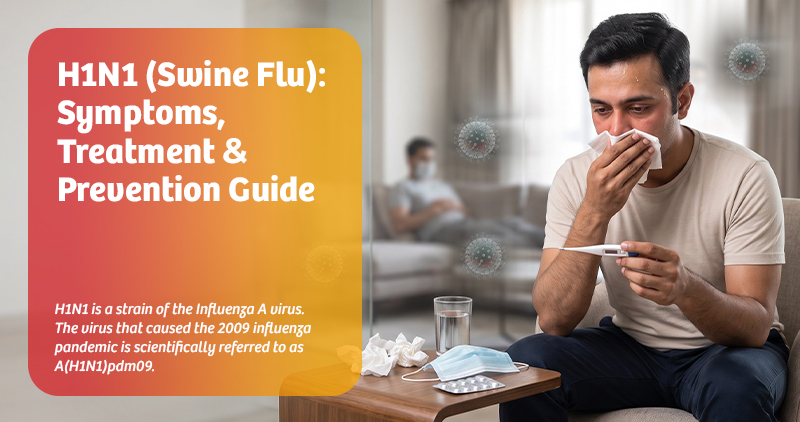
H1N1 is a strain of the Influenza A virus. The virus that caused the 2009 influenza pandemic is scientifically referred to as A(H1N1)pdm09. Today, it continues to circulate globally as one of the strains responsible for seasonal influenza, alongside Influenza A(H3N2) and Influenza B.
Although the term swine flu is still widely used, H1N1 is now considered one of the seasonal influenza viruses that affect people every year. Unlike the common cold, influenza is an acute respiratory infection that can significantly impact overall health and, in some individuals, lead to complications requiring hospital care.
H1N1 spreads easily from person to person through respiratory droplets released during coughing, sneezing, talking, or close contact.
The virus may spread through:
Symptoms usually develop within 1 to 4 days after exposure, most commonly on the second day. A person may also spread the infection before they are fully ill.
In countries with tropical climates such as India, influenza infections can occur throughout the year, although a rise in cases is often observed during and after the monsoon season.
Anyone can contract H1N1, but certain groups are more vulnerable to severe illness.
These include:
Healthcare professionals and caregivers who regularly interact with vulnerable patients should also remain particularly cautious.
One characteristic feature of influenza is that symptoms often appear suddenly and can make a person feel significantly unwell within a short period.
Common symptoms include:
For many people, fever and body aches improve within a few days. However, fatigue and cough may persist for several weeks after the initial infection.
Most patients recover with rest, adequate fluids, and supportive care. However, symptoms should not be ignored if they begin worsening or affect breathing.
Medical advice from an internal medicine specialist should be sought promptly if flu-like symptoms develop in a person who belongs to a high-risk group or if symptoms worsen rather than improve.
Parents should never wait for severe symptoms to settle on their own, especially in infants and young children.
Not every fever requires specific testing for H1N1. Doctors often diagnose influenza based on clinical symptoms and examination findings.
Laboratory testing may be recommended when:
When testing is necessary, diagnosis is commonly confirmed through an RT-PCR test performed on a respiratory sample.
Importantly, treatment should not be delayed solely while waiting for test results if a doctor believes prompt intervention is required.
Most mild cases can be safely managed at home under medical guidance.
Supportive treatment generally includes:
It is important to remember that antibiotics do not treat influenza viruses and should not be taken unless specifically prescribed for a bacterial infection.
For individuals at higher risk or those experiencing more severe symptoms, doctors may prescribe antiviral medicines. These medicines tend to be most effective when started early in the course of illness.
Patients with severe disease may require hospitalisation, oxygen support, close monitoring, and treatment of complications such as pneumonia.
Fortunately, several simple preventive measures can significantly reduce the risk of infection.
Everyday preventive measures
Vaccination remains the most effective way to reduce the risk of severe influenza and its complications.
Annual influenza vaccination is particularly recommended for:
Because influenza viruses evolve over time, vaccines are updated periodically to provide protection against the strains expected to circulate each season.
Consult your doctor to determine the most appropriate vaccination schedule for you and your family.
Although many cases remain mild, H1N1 can occasionally lead to serious complications, including:
Immediate medical attention is necessary if a person develops severe breathing difficulty, bluish discolouration of the lips, confusion, reduced responsiveness, or signs of oxygen deprivation.
Timely treatment can be lifesaving.
Is H1N1 the same as swine flu?
Yes. H1N1 is the virus responsible for the illness commonly known as swine flu. Today, it circulates as a seasonal influenza virus.
Can healthy adults develop severe H1N1 infection?
Yes. Although serious complications are more common among high-risk groups, healthy individuals can also become seriously unwell and should seek medical attention if symptoms become more serious.
Do antibiotics help treat H1N1?
No. Antibiotics have no effect against influenza viruses and should only be used when prescribed for a confirmed or suspected bacterial infection.
Can I take antiviral medicines that were prescribed during an earlier illness?
No. Antiviral medicines should only be taken following medical assessment. Self-medication may be ineffective and, in some circumstances, unsafe.
Is influenza vaccination safe during pregnancy?
Yes. Influenza vaccination is recommended during pregnancy because pregnant women are at a greater risk of developing complications from influenza infection.
