


By Dr Shachi Joshi
Consultant Obstetrics & Gynaecology (KD City Centre)
Dec 25, 2025
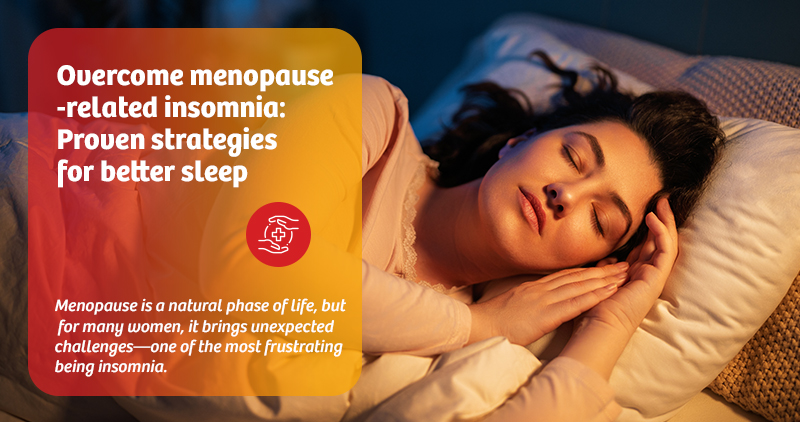
Menopause is a natural phase of life, but for many women, it brings unexpected challenges—one of the most frustrating being insomnia. Tossing and turning at night, waking up drenched in sweat, or feeling wide awake at midnight can quickly affect energy, mood, and overall quality of life.
If you’re struggling with menopause-related insomnia, you’re not alone. Studies show that up to 60% of menopausal women experience sleep disturbances. The good thing is with the right strategies, it is absolutely possible to regain restful, restorative sleep.
In this comprehensive guide, we’ll explore why menopause causes insomnia and share evidence-based, natural, and lifestyle solutions to help you sleep better—without relying solely on medication.
Menopause marks the end of menstrual cycles and is diagnosed after 12 consecutive months without a period. It typically occurs between ages 45 and 55 and includes three stages
Sleep problems can occur in all stages but are most common during perimenopause and early menopause.
1. Hormonal changes
Declining levels of estrogen and progesterone play a major role in sleep disruption.
2. Hot flashes and night sweatsy
Sudden surges of heat at night can wake you repeatedly, making it difficult to fall back asleep. Even mild night sweats can fragment sleep cycles.
3. Increased anxiety and mood changes
Menopause often coincides with increased stress, anxiety, and mood swings, all of which are known contributors to insomnia.
4. Circadian rhythm disruption
Hormonal shifts may affect your internal clock, leading to irregular sleep-wake patterns and early morning awakenings.
Chronic insomnia doesn’t just cause fatigue—it can affect nearly every aspect of health, including
Addressing sleep issues early is essential for long-term well-being.
1. Create a menopause-friendly sleep environment
Your bedroom plays a crucial role in sleep quality.
Tips for better sleep hygiene
A cool, dark, and quiet environment helps reduce night sweats and promotes deeper sleep.
2. Establish a consistent sleep routine
Going to bed and waking up at the same time every day, including on weekends, helps maintain a stable circadian rhythm, leading to better sleep quality, higher energy levels, and improved overall health.
Pre-bed routine ideas
Avoid stimulating activities at least one hour before bedtime.
3. Watch what you eat and drink
Diet has a direct impact on menopause-related sleep problems.
Foods that promote better sleep
Avoid before bedtime
Hydration is important—but reduce fluid intake close to bedtime to avoid nighttime bathroom trips.
4. Manage stress and anxiety
Stress is a major trigger for insomnia during menopause.
Effective stress-reduction techniques include
CBT-I is considered the gold standard treatment for chronic insomnia and is highly effective for menopausal women.
5. Exercise regularly—but at the right time
Regular physical activity improves sleep quality and reduces hot flashes, anxiety, and depression.
Best exercises for menopausal sleep
Aim for at least 30 minutes most days, but avoid vigorous exercise within 3 hours of bedtime, as it may be stimulating.
1. Hormone replacement therapy (HRT)
HRT can significantly improve sleep by reducing hot flashes and night sweats. However, it’s not suitable for everyone and should be discussed with a healthcare provider.
2. Natural supplements
Some women find relief with supplements, including
Always consult a doctor before starting supplements.
3. Non-hormonal medications
In certain cases, doctors may prescribe low-dose antidepressants or sleep aids for short-term relief. These options are typically considered when lifestyle changes alone do not yield effective results.
If insomnia lasts longer than three months, or if sleep deprivation is affecting your daily life, it’s time to seek medical advice. A sleep specialist or menopause-focused healthcare provider can help identify underlying issues and tailor treatment options.
Restful sleep is possible during menopause
Menopause-related insomnia can feel overwhelming, but it’s important to remember that this phase is temporary—and sleep can improve. By understanding the hormonal factors that contribute to sleep disturbances and adopting targeted lifestyle strategies, many women can experience significant improvements in sleep quality.
The key is consistency, patience, and self-compassion. Whether through natural remedies, lifestyle adjustments, or medical support, restful sleep during menopause is achievable.
Q: How long does menopause insomnia last?
A: It varies. For some women, sleep improves after hormonal levels stabilise in postmenopause.
Q: Is melatonin safe during menopause?
A: Generally, yes, but always consult your doctor, especially if you take other medications.
Q: Can menopause insomnia be cured naturally?
A: Many women successfully manage symptoms with lifestyle changes, stress reduction, and diet.
