


By Dr Niral Patel
Consultant Nephrologist & Transplant Physician
Dec 24, 2025
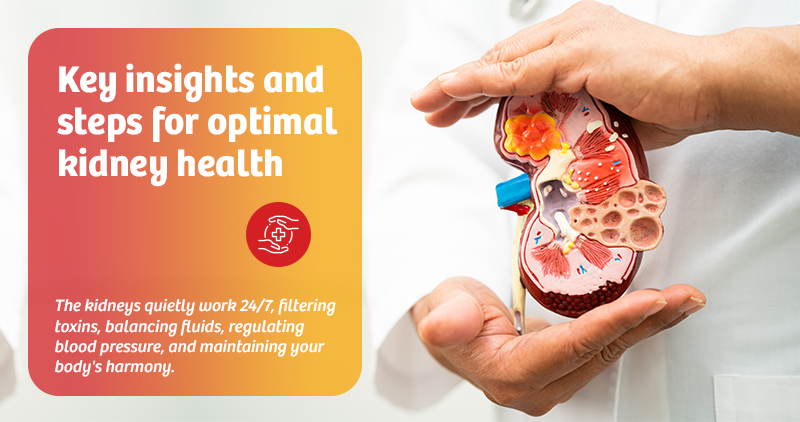
For most people, the answer is “not often”—until something goes wrong. The kidneys quietly work 24/7, filtering toxins, balancing fluids, regulating blood pressure, and maintaining your body's harmony. They don’t demand attention the way your heart or lungs do, yet they are just as vital to your survival and quality of life.
Kidney disease often develops silently, with symptoms appearing only when significant damage has already occurred. The good news? Many kidney problems are preventable through awareness, early action, and lifestyle choices that are rooted in everyday habits.
This blog explores key insights and practical steps for optimal kidney health, blending medical understanding with a human perspective—because protecting your kidneys is ultimately about protecting your life.
Your kidneys perform over 30 essential functions, including
When kidneys lose function, waste builds up in the body, leading to fatigue, swelling, high blood pressure, anaemia, and eventually kidney failure.
According to global health data, chronic kidney disease (CKD) affects millions worldwide and is rising due to lifestyle-related conditions such as diabetes and hypertension. Yet many people don’t realise they have it until it has advanced.
Awareness is your first line of defence.
One of the most dangerous aspects of kidney disease is how quietly it progresses.
Early-stage kidney damage often has no obvious symptoms. You may feel “fine” while your kidneys are under strain. By the time symptoms such as swelling, frequent urination, or persistent fatigue appear, kidney function may already be significantly impaired.
This is why preventive care and routine screening are essential—especially if you have risk factors.
Understanding your risk can help you take proactive steps early.
1. Diabetes
High blood sugar damages the tiny blood vessels in the kidneys, making diabetes the leading cause of kidney disease globally.
2. High blood pressure
Uncontrolled blood pressure strains kidney filters, gradually reducing their effectiveness.
3. Family history
Family history matters—certain kidney conditions, like polycystic kidney disease, can be passed down through generations.
4. Obesity and sedentary lifestyle
Excess weight increases the risk of diabetes and hypertension, indirectly harming kidney health.
5. Excessive use of painkillers
Frequent use of NSAIDs (like ibuprofen) can damage kidney tissue over time.
1. Hydration is essential—but balance matters
Adequate water intake supports kidney function by helping flush toxins from the body and reducing the risk of kidney stone formation. But more isn’t always better—overhydration can disrupt the body’s natural balance just as much as dehydration.
Key hydration tips
For most people, 6–8 glasses of water daily is sufficient, but individual needs vary.
2. Eat a kidney-friendly diet
Your daily food choices directly impact kidney function.
Best foods for kidney health
Foods to limit or avoid
Reducing sodium is especially important—high salt intake raises blood pressure and accelerates kidney damage.
3. Control blood sugar and blood pressure
If kidneys are your lifeline, blood sugar and blood pressure are the currents that shape them.
Even small improvements can significantly slow down damage.
4. Move Your Body—Your Kidneys Benefit Too
Regular physical activity improves blood circulation, lowers blood pressure, and enhances metabolic health.
You don’t need extreme workouts.
Kidney-friendly exercise ideas
Try to engage in at least 30 minutes of moderate exercise on at least 5 days each week.
5. Be careful with medications and supplements
Many people unknowingly harm their kidneys through over-the-counter drugs.
Kidneys must process everything you consume—give them a break when possible.
6. Quit smoking and limit alcohol
Smoking reduces blood flow to the kidneys and worsens existing kidney damage. Alcohol, when consumed excessively, causes dehydration and raises blood pressure.
Quitting smoking is one of the most powerful steps you can take for kidney health.
7. Get regular kidney health check-ups
Routine screening can detect problems early.
Important tests include
If you have diabetes, hypertension, or a family history of kidney disease, screenings are especially critical.
Kidney disease doesn’t just affect the body—it affects identity, energy, relationships, and mental health.
This human reality highlights why prevention matters so deeply. Protecting your kidneys means protecting your independence, routines, and dreams.
Strong kidneys are maintained through consistent, healthy habits.
These choices may feel small today—but they compound into long-term protection.
Contact a doctor if you notice
Early intervention can prevent irreversible damage.
Best Kidney health & transplant hospital in Ahmedabad.
Your kidneys are listening
Your kidneys may be silent, but they are always responding to your diet, stress levels, hydration, and habits.
Caring for your kidneys isn’t about fear—it’s about respect. Respect for the body that carries you through life. Respect for the future you want to live fully.
By understanding the key insights and steps for optimal kidney health, you empower yourself to make informed, compassionate choices—starting today.
Because the best time to protect your kidneys isn’t after a diagnosis.
