


By Dr Mayuri Chavda Yadav
Consultant Dentist
Dec 01, 2025
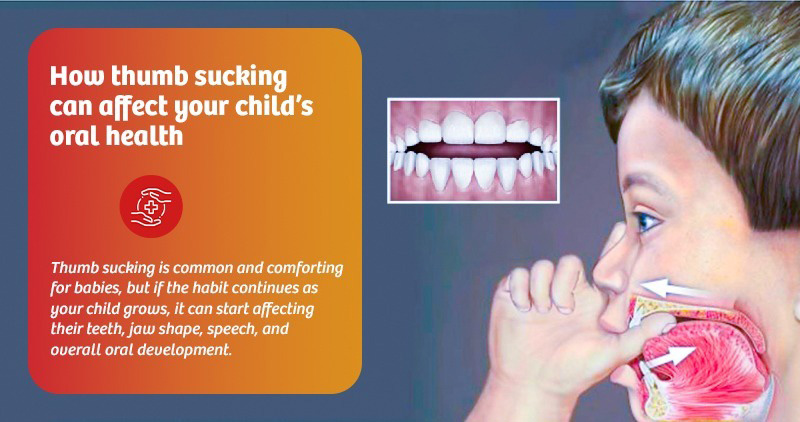
Thumb sucking is common and comforting for babies, but if the habit continues as your child grows, it can start affecting their teeth, jaw shape, speech, and overall oral development.
At KD Hospital, our paediatric dentists frequently guide parents concerned about the changes thumb sucking can cause in their child’s smile. This blog offers a complete overview of its causes, effects, home remedies, and available treatments.
Thumb sucking is primarily a reflex and comforting mechanism. Children may suck their thumbs when they feel
Most children stop the habit naturally by age 3–4. Issues arise only when the habit is prolonged or forceful.
1. Misaligned teeth (overbite, open bite)
Prolonged thumb sucking can push the upper teeth forward and lower teeth backwards, leading to
These changes often require orthodontic correction later in life. Early evaluation at KD Hospital ensures these issues are identified and managed before they become more complex.
2. Jaw development problems
Continuous pressure from the thumb can change the shape of the upper jaw. It may result in
When detected early, jaw changes can be corrected with growth-friendly appliances.
3. Speech issues
Thumb sucking alters tongue positioning and affects pronunciation. Some children may develop
In this case, our paediatric dentists often work with speech therapists for coordinated care when needed.
4. Oral infections & poor hygiene
Because fingers carry germs, thumb sucking increases the risk of
Good hand hygiene and habit control can significantly reduce these risks.
5. Emotional & social concerns
Older children who continue thumb sucking may experience
Gentle guidance helps children break the habit without any emotional stress.
Consult a paediatric dentist if
KD Hospital offers early assessments to prevent long-term consequences.
1. Use positive reinforcement
Reward charts, small treats, and appreciation work far better than scolding.
2. Identify emotional triggers
Children often suck their thumbs when stressed. Understanding triggers helps break the pattern.
3. Offer comfort alternatives
Soft toys, fidget toys, or bedtime relaxation routines help reduce reliance on thumb sucking.
4. Keep hands engaged
Puzzle play, building blocks, or colouring keeps fingers busy.
5. Create a calming bedtime routine
Because many children suck their thumbs while falling asleep, a soothing bedtime routine can help minimise it.
6. Use a thumb guard
It can be useful at an early age as a supportive therapy; if it does not help, we can intervene by giving a fixed appliance.
1. Paediatric dental evaluation
Our experts assess
2. Habit-breaking counselling
KD Hospital’s Paediatric dentists use child-friendly behavioural strategies to support habit cessation.
3. Myofunctional therapy
These exercises guide the tongue into the correct position, enhance oral muscle function, and support proper swallowing techniques.
4. Habit-breaker appliances
For children who cannot stop on their own, we use
These devices gently prevent the thumb from entering the mouth and help align the bite.
1. Is thumb sucking harmful to permanent teeth?
Yes. If the habit continues after age 5, it can affect the positioning of permanent teeth and jaw growth.
2. At what age should thumb sucking ideally stop?
Most children naturally stop by age 3–4. Beyond this age, professional guidance is recommended.
3. Can thumb sucking affect speech?
Yes. Prolonged thumb sucking can interfere with tongue placement and cause lisping or unclear pronunciation.
4. How can I stop my child from sucking their thumb at night?
A calming bedtime routine, comfort toys, and positive reminders. If not effective, we offer habit-breaking options.
5. Do all thumb-sucking children need treatment?
Not always. Only prolonged, forceful, or habitual thumb sucking requires intervention.
At KD Hospital, Ahmedabad, our Paediatric dentistry team provides
Our goal is to help your child develop healthy oral habits and a confident smile.
