


By Dr Wasimahmed M Sachora
Consultant Internal Medicine
May 22, 2026
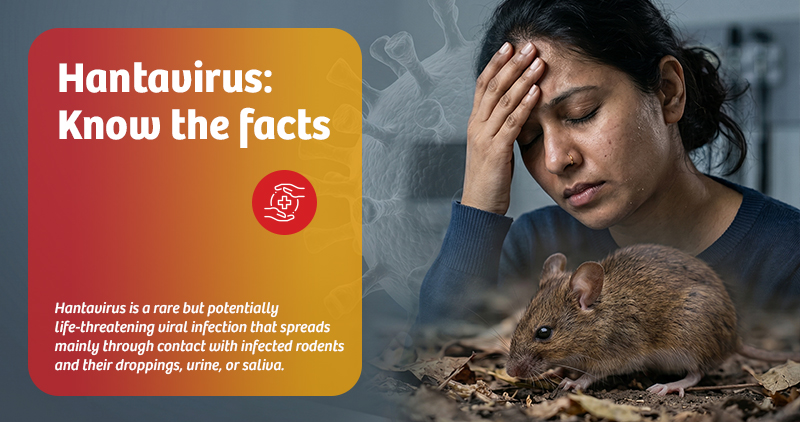
Hantavirus is a rare but potentially life-threatening viral infection that spreads mainly through contact with infected rodents and their droppings, urine, or saliva.
Although uncommon, hantavirus infections can become severe very quickly, affecting the lungs, kidneys, and overall body function. Awareness about the virus, early diagnosis, and preventive measures are extremely important to reduce the risk of complications.
Hantavirus refers to a group of viruses carried primarily by rodents. Humans can become infected when they come into contact with contaminated rodent urine, saliva, droppings, or nesting materials.
Different types of hantavirus infections are seen across various parts of the world.
The two major conditions caused by hantavirus include
Among these, hantavirus pulmonary syndrome is considered more severe and can become life-threatening if not treated early.
Hantavirus does not usually spread from person to person in most cases. The virus mainly spreads through exposure to infected rodents.
People living or working in areas with increased rodent exposure are at higher risk.
Certain groups of people are more likely to come into contact with hantavirus.
These include
Risk increases during activities where dust contaminated by rodent droppings becomes airborne.
Symptoms of hantavirus infection
Symptoms usually appear 1 to 8 weeks after exposure to the virus.
The initial symptoms often resemble flu-like illness, making early diagnosis difficult.
Common early symptoms include
As the disease progresses, severe symptoms may develop rapidly.
These include
In severe cases, respiratory failure may occur, requiring intensive medical care.
Hantavirus pulmonary syndrome is the most dangerous form of hantavirus infection.
The infection initially begins with mild flu-like symptoms but can suddenly worsen within a few days. Fluid starts accumulating in the lungs, making breathing extremely difficult.
HPS is considered a medical emergency and requires immediate hospitalisation.
This form mainly affects the kidneys and blood vessels.
The severity varies from mild to severe depending on the type of virus involved.
How is hantavirus diagnosed?
Because early symptoms resemble common viral illnesses, diagnosis may sometimes be delayed.
Doctors diagnose hantavirus based on
Early recognition plays a major role in improving outcomes.
Currently, there is no specific antiviral cure for hantavirus infection. Treatment mainly focuses on supportive care and managing complications.
Treatment may include
The earlier the treatment begins, the better the chances of recovery.
Can hantavirus be prevented?
Yes. Prevention mainly focuses on reducing exposure to rodents and contaminated environments.
Control rodent infestation
Avoid sweeping or vacuuming rodent droppings directly, as this can spread contaminated particles into the air.
Instead
Hantavirus can become fatal, especially if severe lung involvement develops. However, timely medical attention, early diagnosis, and supportive treatment significantly improve survival chances.
Awareness and prevention remain the most effective ways to reduce risk.
When should you seek medical help?
Immediate medical attention is necessary if a person develops
Do not ignore symptoms, especially if there is a history of possible exposure.
Although hantavirus is rare, it is a serious infection that should not be ignored. Most cases occur because people unknowingly come into contact with infected rodents or contaminated environments.
Simple preventive measures such as maintaining cleanliness, controlling rodents, and using proper protection while cleaning can significantly reduce the risk of infection.
Awareness, early diagnosis, and prompt medical care are the key factors that can save lives.
Is hantavirus contagious between humans?
In most cases, Hantavirus does not spread from person to person.
Can hantavirus be cured completely?
There is no specific cure, but early supportive treatment can help patients recover.
Which animals carry hantavirus?
Rodents such as rats and mice are the primary carriers.
How long does hantavirus take to show symptoms?
Symptoms may appear between 1 and 8 weeks after exposure.
Can hantavirus affect healthy people?
Yes. Even healthy individuals can become infected if exposed to contaminated environments.
Is hantavirus common in India?
Hantavirus infections are considered rare in India, but awareness and precaution remain important.
Hantavirus is a serious viral disease linked mainly to rodent exposure. While rare, it can rapidly become dangerous if ignored. Understanding the symptoms, avoiding rodent contamination, and seeking timely medical care are essential steps in protecting health.
Preventive healthcare and public awareness continue to play a crucial role in reducing the impact of such infections. Staying informed and maintaining proper hygiene can go a long way in keeping individuals and communities safe.
