


By Dr Jaimini Patel
Periodontist
Jan 22, 2026
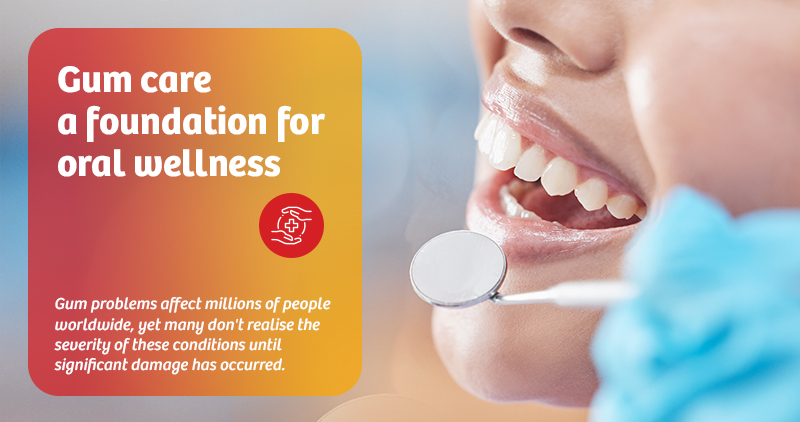
Gum problems affect millions of people worldwide, yet many don't realise the severity of these conditions until significant damage has occurred. Your gums play a crucial role in maintaining overall oral health, serving as the foundation that supports your teeth and protects the underlying bone structure. When gum tissue becomes compromised, it can lead to a cascade of dental issues that extend far beyond your mouth.
Gum problems, medically known as periodontal disease, encompass a range of conditions that affect the tissues surrounding and supporting your teeth. These issues begin when bacteria in plaque accumulate along and under the gum line, triggering inflammation and infection. What starts as a minor irritation can progress into a serious disease if left untreated, potentially resulting in tooth loss and other health complications.
The spectrum of gum disease ranges from mild inflammation to severe destruction of the soft tissue and bone that support your teeth. Understanding the different stages and types of gum problems is essential for early detection and effective treatment.
Gingivitis is the mildest form of gum disease, which requires attention to your gum health. This condition occurs when plaque bacteria irritate the gum tissue, causing inflammation, redness, and swelling. The hallmark symptom of gingivitis is bleeding gums, particularly noticeable during brushing or flossing.
The good news about gingivitis is that it's reversible. With improved oral hygiene practices and professional dental cleaning, you can restore your gums to health before permanent damage occurs. However, ignoring gingivitis allows it to progress into more serious conditions that cause irreversible harm.
Common signs of gingivitis include swollen or puffy gums, dark red or purplish gum tissue, tenderness upon touch, and persistent bad breath that brushing does not eliminate. Many people dismiss these symptoms as normal, but they're actually your body's way of signalling that intervention is needed.
Untreated gingivitis can progress to periodontitis, a severe gum disease that harms the soft tissue and destroys the bone supporting your teeth. This progression creates pockets between your teeth and gums that become infected, and as your immune system fights the bacteria, the bone and connective tissue holding your teeth in place begin to break down.
Periodontitis manifests in several concerning ways. Your gums may begin to recede, making your teeth appear longer than normal. You might notice increasing spaces between your teeth, changes in how your teeth fit together when you bite, or even loose teeth that shift position. Pus may develop between your teeth and gums, and you may experience persistent bad breath despite maintaining oral hygiene.
The most troubling aspect of periodontitis is that it's irreversible. While treatment can halt its progression and prevent further damage, the bone and tissue loss that has already occurred cannot regenerate naturally. This makes early intervention absolutely critical.
Understanding what increases your risk of developing gum problems can help you take preventive action. Poor oral hygiene tops the list, as inadequate brushing and flossing allow plaque to accumulate and harden into tartar, which can only be removed by dental professionals.
Smoking and tobacco use significantly elevate your risk of gum disease and interfere with healing once gum tissue becomes damaged. Research shows that smokers are twice as likely to develop gum disease compared to non-smokers, and they respond less favourably to treatment.
Certain medical conditions also contribute to gum problems. Diabetes affects your body's ability to process sugar and makes you more susceptible to infections, including those affecting your gums. Hormonal changes during pregnancy, menopause, or monthly menstruation can make gums more sensitive and vulnerable to disease.
Other risk factors include genetics, certain medications that reduce saliva flow, nutritional deficiencies, stress, crooked teeth that are difficult to clean properly, and conditions that compromise your immune system.
Research has revealed compelling links between gum disease and various systemic health conditions. Untreated periodontal infections allow bacteria to enter the bloodstream, increasing the risk of health complications. Studies suggest associations between gum disease and heart disease, stroke, diabetes complications, respiratory disease, and pregnancy complications. For people with diabetes, the relationship is particularly significant. Not only does diabetes increase susceptibility to gum disease, but severe gum disease can make it harder to control blood sugar levels, creating a challenging cycle. Similarly, the inflammation caused by gum disease may contribute to the development of cardiovascular problems.
This connection emphasises that healthy gums are vital for overall health.
Preventing gum problems is far easier and less costly than treating advanced disease. The foundation of gum health is consistent, thorough oral hygiene. Regular brushing—at least twice daily with fluoride toothpaste and a soft-bristle brush—helps clean the gum line, where plaque commonly collects. Floss daily to remove plaque and food particles from between teeth and under the gum line where your toothbrush cannot reach.
Regular dental checkups and professional cleanings are essential, typically recommended every six months. Your dentist can detect early signs of gum problems and remove hardened tartar that home brushing cannot eliminate. If you have risk factors for gum disease, you may need to visit the dentist more often. Lifestyle choices significantly impact gum health. Quit smoking or using tobacco products, maintain a balanced diet rich in vitamins and minerals, manage stress levels, and keep chronic conditions like diabetes under control.
Treatment approaches vary depending on the severity of your condition. For gingivitis, professional cleaning combined with improved home care is usually sufficient. Your dental hygienist will remove plaque and tartar, and guide proper brushing and flossing techniques.
Periodontitis requires more intensive treatment. Scaling and root planing is a deep-cleaning procedure that removes tartar from both above and below the gum line, while also smoothing rough surfaces on tooth roots. This process is often the initial step in dental treatment. In advanced cases, surgical interventions such as flap surgery, bone grafts, or tissue regeneration procedures may be necessary to restore lost bone and tissue.
Gum disease is preventable and manageable with proper care and attention. Do not ignore warning signs such as bleeding, swollen, or receding gums. Scheduling regular dental visits, maintaining excellent oral hygiene, and addressing risk factors within your control are essential steps. At KD Hospital, our dental care team is committed to helping you protect your gum health with expert guidance and comprehensive care. Your gums are the foundation of your dental health, protecting them protects your smile for years to come.
