


By Dr Swati Khatri
Consultant Uro-Oncology and Robotic Surgeon
Apr 17, 2026
Facing a major medical procedure often brings a wave of questions and concerns. When your doctor recommends an advanced option such as the Da Vinci robotic surgical system, your first thought may be about your health, followed closely by concerns about the cost. Patients worldwide seek the best possible care without exhausting their life savings.
India has rapidly emerged as a leading destination for advanced medical treatments. The country offers a unique combination of highly skilled surgeons, state-of-the-art hospitals, and significantly lower medical costs. People travel thousands of miles to take advantage of these benefits.
But what should you expect in terms of the financial aspects of this advanced procedure? It is important to understand whether the benefits of robotic assistance truly justify the expense. This guide breaks down the costs, influencing factors, and overall value of undergoing Da Vinci robotic surgery in India.
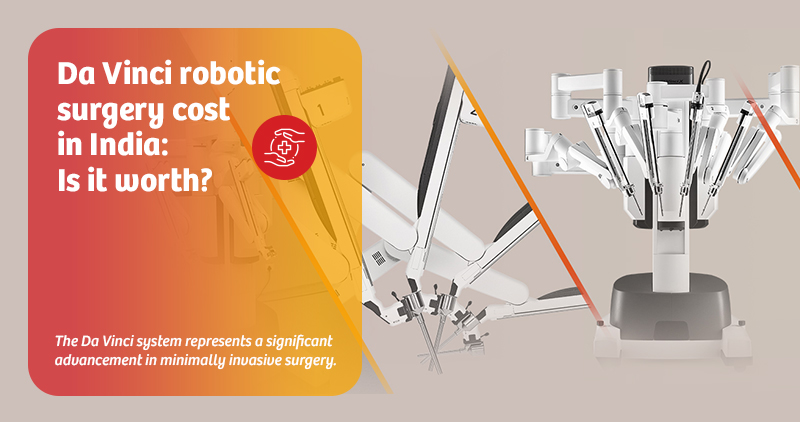
The Da Vinci system represents a significant advancement in minimally invasive surgery. Instead of large incisions, surgeons operate through a few small cuts. They sit at a console near the operating table, viewing a high-definition, three-dimensional image of the surgical site.
The system translates the surgeon’s hand movements into smaller, highly precise movements of instruments inside the patient’s body. The robot does not operate independently; every movement is controlled by the surgeon. This technology provides enhanced precision, improved visibility, and greater control, allowing complex procedures to be performed with remarkable accuracy.
Hospitals use this technology across multiple specialities, including urology, oncology, gynaecology, and general surgery. Due to its advanced nature, hospitals must invest significantly in acquiring and maintaining the system, which influences the overall cost of treatment.
While healthcare in India is more affordable than in many Western countries, the cost of Da Vinci robotic surgery can vary based on several factors
The condition being treated plays a major role in determining cost. A relatively simple robotic procedure, such as gallbladder removal, will cost less than complex surgeries like robotic prostatectomy or cardiac procedures. Longer surgeries require more operating time, anaesthesia, and specialised instruments.
Robotic surgery requires advanced training. Surgeons with extensive experience in performing Da Vinci procedures are often in high demand and may charge higher fees. However, their expertise often leads to better outcomes.
Premium, internationally accredited hospitals in major cities such as Mumbai, Delhi, or Bengaluru typically charge more than smaller centres. These hospitals invest heavily in advanced technology, skilled staff, and superior patient care facilities.
The type of hospital room you choose directly affects the overall cost. Private rooms or suites are more expensive than shared accommodation. Although robotic surgery usually allows quicker discharge, any complications requiring extended hospitalisation will increase costs.
Patients from countries such as the United States, the United Kingdom, and the Middle East often travel to India for advanced surgical procedures. The primary reason is affordability, as the cost of robotic surgery in India is significantly lower compared to Western nations. Importantly, lower costs do not mean compromised quality. Many Indian hospitals are accredited by international organisations such as JCI (Joint Commission International), reflecting high standards of care. Additionally, many Indian surgeons have received training and experience in the UK or the US.
When evaluating robotic surgery, it is essential to consider long-term benefits alongside initial costs.
Smaller incisions result in less tissue damage, reduced post-operative pain, and a quicker return to daily activities compared to open surgery.
The precision of robotic instruments lowers the risk of damage to surrounding tissues. Blood loss is typically reduced, decreasing the likelihood of transfusions and complications.
In complex procedures, particularly in urology and oncology, enhanced visualisation allows for more accurate tumour removal and better preservation of vital structures, leading to improved outcomes.
Does health insurance cover Da Vinci robotic surgery in India? Coverage depends on your insurance policy. Many comprehensive plans cover robotic surgery if it is medically necessary. It is advisable to confirm details with your provider.
How long is the hospital stay after surgery?
Most patients stay for two to four days. However, a follow-up stay in the city for one to two weeks is often recommended.
Is robotic surgery completely safe?
While all surgeries carry some risk, robotic surgery is considered safe when performed by an experienced and qualified surgeon. Its minimally invasive nature reduces many traditional surgical risks.
Making the right choice for your health
Deciding to undergo surgery is a significant step. When evaluating the cost of Da Vinci robotic surgery in India, it is important to look beyond the immediate expense. The investment includes advanced precision, faster recovery, and a lower risk of complications.
For many patients, the ability to resume normal life sooner makes this technology worthwhile. India offers access to world-class care at a comparatively affordable cost.
If you are considering this procedure, consulting a qualified robotic surgeon is essential. They can assess your condition and provide a personalised treatment plan suited to your medical and financial needs.
