


By Dr Darshan Shah
Consultant Urology
Apr 20, 2026
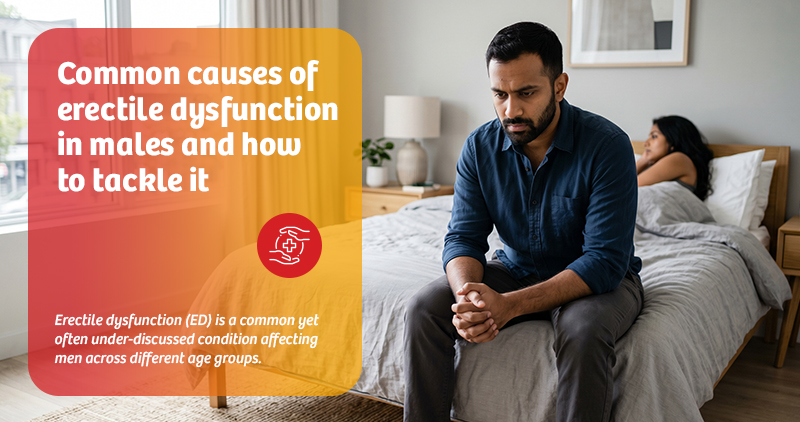
Erectile dysfunction (ED) is a common yet often under-discussed condition affecting men across different age groups. It refers to the inability to achieve or maintain an erection sufficient for satisfactory sexual performance. While occasional difficulty is normal, persistent issues can indicate an underlying health concern that requires attention.
Understanding the causes of erectile dysfunction and how to manage it is essential not only for sexual health but also for overall well-being. This blog explores the common causes of erectile dysfunction and outlines practical strategies for managing it effectively.
Erectile dysfunction is not merely a sexual issue. It can often be a sign of physical or psychological health problems. It may develop gradually or occur suddenly, depending on the underlying cause. In many cases, ED is treatable, especially when identified early.
1. Psychological factors
Stress, anxiety, depression, and relationship issues can significantly impact sexual performance. Performance anxiety, in particular, can create a cycle of ongoing erectile difficulties.
2. Cardiovascular diseases
One of the most common causes of ED is poor blood flow due to cardiovascular conditions such as hypertension, atherosclerosis, or heart disease. Since erections rely on proper blood circulation, any restriction in blood flow can make it difficult to achieve or maintain an erection.
3. Diabetes
Men with diabetes are at a higher risk of developing ED. High blood sugar levels can damage blood vessels and nerves, both of which play a crucial role in achieving erections.
4. Hormonal imbalances
Low levels of testosterone can lead to reduced libido and erectile difficulties. Hormonal issues may arise due to ageing, obesity, or underlying medical conditions.
5. Neurological disorders
Conditions such as Parkinson’s disease, multiple sclerosis, or spinal cord injuries can interfere with nerve signals necessary for erection.
6. Lifestyle factors
Unhealthy lifestyle habits such as smoking, excessive alcohol consumption, lack of physical activity, and poor diet contribute significantly to ED.
7. Medications
Certain medications used to treat high blood pressure, depression, and other chronic conditions may have side effects that include erectile dysfunction.
8. Obesity
Being overweight can lead to hormonal changes and reduced blood flow, both of which can contribute to ED.
1. Adopt a healthy lifestyle
Making positive lifestyle changes is one of the most effective ways to manage ED. Regular exercise, a balanced diet, and maintaining a healthy weight can improve blood circulation and hormone levels.
2. Manage chronic conditions
Proper management of conditions such as diabetes, hypertension, and heart disease is crucial. Regular medical check-ups and adherence to prescribed treatments can significantly reduce the risk of ED.
3. Quit smoking and limit alcohol
Smoking damages blood vessels, while excessive alcohol consumption affects nerve function. Reducing or eliminating these habits can lead to noticeable improvements.
4. Psychological support
If psychological factors are contributing to ED, counselling or therapy can be beneficial. Cognitive behavioural therapy (CBT) and couples counselling are often effective.
5. Medications
Several oral medications are available that can help improve erectile function by enhancing blood flow to the penis. These should only be used under the guidance of a medical professional.
6. Hormone therapy
In cases where low testosterone is identified, hormone replacement therapy may be recommended.
7. Vacuum erection devices
These devices create a vacuum around the penis, drawing blood into it and helping achieve an erection.
8. Surgical options
In severe cases, surgical interventions such as penile implants may be considered.
It is important to seek medical advice if erectile dysfunction is persistent, worsening, or accompanied by other symptoms such as reduced libido, pain, or urinary issues. Early diagnosis can help identify underlying health problems and improve treatment outcomes.
Erectile dysfunction is a manageable condition with a wide range of effective treatments available. By understanding the underlying causes and making informed lifestyle and medical choices, men can regain confidence and improve their quality of life.
Breaking the stigma around ED and encouraging open conversations is essential. If you or someone you know is experiencing symptoms, seeking timely medical guidance can make a significant difference.
