


By Dr Sandip Modh
Consultant Endovascular Neurosurgeon
Jan 16, 2026
Brain tumours remain one of the most misunderstood medical conditions, surrounded by misconceptions that can cause unnecessary fear and confusion. Whether you're concerned about your own health or supporting a loved one, understanding the truth about brain tumours is essential. This comprehensive guide debunks common myths and presents evidence-based facts to help you navigate this complex topic with clarity and confidence.
Myth 1: All brain tumours are cancerous
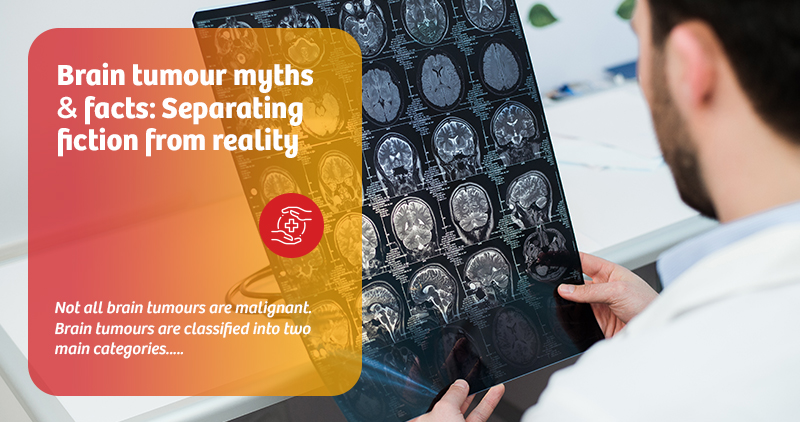
Fact: Not all brain tumours are malignant. Brain tumours are classified into two main categories: benign (non-cancerous) and malignant (cancerous). Benign tumours grow slowly and typically don't spread to other parts of the body. While they can still cause serious health issues due to pressure on the brain, they're often treatable with surgery alone. Malignant tumours grow more aggressively and may require a combination of surgery, radiation, and chemotherapy. Understanding your specific diagnosis is crucial for appropriate treatment planning.
Myth 2: Brain tumours are always fatal
Fact: Many people survive brain tumours and go on to live full, productive lives. Survival rates vary significantly depending on the type of tumour, its location, size, and stage at diagnosis. Some benign tumours can be completely removed with surgery, while certain malignant tumours respond well to treatment. Advances in neurosurgery, radiation therapy, and targeted treatments have dramatically improved outcomes over the past decades. Early detection and appropriate treatment significantly enhance survival rates and quality of life.
Myth 3: Cell phones cause brain tumours
Fact: Despite widespread concern, extensive research has not established a clear link between cell phone use and brain tumours. Major studies conducted by organisations, including the World Health Organisation and the American Cancer Society, have found no conclusive evidence that radiofrequency radiation from mobile devices increases the risk of brain tumours. However, research continues, and experts recommend using hands-free devices as a precautionary measure if you're concerned.
Myth 4: Only adults get brain tumours
Fact: Brain tumours can occur at any age, including in children. In fact, brain tumours are the most common solid tumours in children and the leading cause of cancer-related deaths in pediatric patients. However, the types of tumours that affect children often differ from those found in adults. Medulloblastomas and pilocytic astrocytomas are more common in children, while glioblastomas are more prevalent in adults. Age-appropriate screening and treatment protocols are essential for optimal outcomes.
Myth 5: Brain tumours always cause severe headaches
Fact: Headaches may sometimes be associated with brain tumours, but many people with brain tumours do not experience headaches, and the vast majority of headaches are not related to brain tumours. Brain tumour headaches typically have specific characteristics: they may be worse in the morning, progressively worsen over time, and may be accompanied by other neurological symptoms such as vision changes, seizures, balance problems, or personality changes. However, some brain tumours are discovered incidentally during scans for unrelated issues, causing no symptoms at all.
Myth 6: Brain tumours are contagious
Fact: Brain tumours cannot be transmitted from person to person through any form of contact. They're not infectious diseases caused by bacteria or viruses. Brain tumours develop when cells in the brain begin to grow abnormally due to genetic mutations. While some rare genetic syndromes can increase the risk of brain tumours and be passed down through families, the tumours themselves are not contagious.
Myth 7: If you have a brain tumour, you'll definitely know
Fact: Many brain tumours grow slowly and may not cause noticeable symptoms until they've reached a significant size or affect critical brain areas. Some tumours are discovered accidentally during brain scans performed for other reasons. Symptoms depend on the tumour's location, size, and growth rate. A tumour in a non-critical area may grow quite large before causing symptoms, while one in a sensitive location may cause symptoms even when it's still small.
Myth 8: Brain surgery always causes permanent damage
Fact: Modern neurosurgery has advanced tremendously, with techniques that minimise damage to healthy brain tissue. Surgeons use sophisticated imaging technologies, intraoperative monitoring, and precise surgical interventions to remove tumours while preserving brain function. Many patients recover well from brain surgery with no permanent deficits. While risks exist with any surgery, neurosurgeons carefully weigh these against the benefits and work to protect critical brain areas during procedures.
Myth 9: Brain tumours only affect your head
Fact: Brain tumours can affect your entire body and overall health. Beyond neurological symptoms, they can cause hormonal imbalances, affect your emotional well-being, impact your ability to work, and require significant lifestyle adjustments. Treatment side effects may include fatigue, nausea, hair loss, and cognitive changes. The psychological impact of diagnosis and treatment can affect mental health, relationships, and quality of life. Comprehensive care addresses all these dimensions.
Myth 10: There's nothing you can do to reduce brain tumour risk
Fact: While many brain tumours have no known preventable cause, certain measures may help reduce risk. Avoiding unnecessary exposure to ionising radiation, particularly to the head during childhood, is one protective factor. Maintaining overall health through a balanced diet, regular exercise, and avoiding tobacco may support general well-being. For those with genetic syndromes associated with increased brain tumour risk, genetic counselling and regular monitoring can enable early detection and intervention.
Myth 11: Brain tumour treatment is worse than the disease
Fact: While brain tumour treatments can have side effects, advances in medical technology have made treatments more targeted and less harmful than ever before. Modern radiation therapy techniques, such as stereotactic radiosurgery, can precisely target tumour cells while minimising damage to healthy tissue.
Chemotherapy protocols have also improved, aided by better supportive medications that help manage side effects. Additionally, rehabilitation services help patients regain function and improve their quality of life. Consequently, many patients can complete treatment and return to their normal activities. Many patients complete treatment and return to their normal activities. The goal of treatment is always to maximise survival and quality of life, and doctors work closely with patients to manage side effects effectively.
Myth 12: Once a brain tumour is removed, it's gone forever
Fact: Brain tumours can recur even after successful treatment. The likelihood of recurrence depends on the tumour type, grade, and how completely it was removed. Benign tumours that are completely excised have lower recurrence rates, while malignant tumours have a higher risk of returning. This is why regular follow-up appointments and imaging scans are crucial after treatment. Monitoring allows doctors to detect any regrowth early, when it's most treatable. Some patients may need additional treatments if recurrence occurs, but ongoing medical surveillance and advances in treatment options continue to improve long-term outcomes for brain tumour survivors.
Several factors may increase brain tumour risk, though having risk factors doesn't guarantee you'll develop a tumour. These include exposure to high doses of ionising radiation, family history of brain tumours, certain inherited genetic conditions like neurofibromatosis or Li-Fraumeni syndrome, and increasing age. However, most people diagnosed with brain tumours have no identifiable risk factors, emphasising the importance of awareness and early symptom recognition.
Seek medical attention if you experience persistent or worsening headaches, new onset seizures, unexplained nausea or vomiting, vision or hearing problems, difficulty with balance or walking, personality or behavioural changes, memory problems, or progressive weakness or numbness in limbs. While these symptoms often have benign causes, they warrant medical evaluation to rule out serious conditions.
Misinformation about brain tumours can lead to delayed diagnosis, inappropriate treatment decisions, and unnecessary anxiety. Always consult qualified healthcare professionals for medical advice and rely on reputable sources for health information.
Understanding the facts about brain tumours empowers you to make informed decisions about your health. While brain tumours present serious challenges, advances in medical science continue to improve diagnosis and treatment outcomes. By separating myths from facts, you can approach this topic with realistic expectations and take appropriate action when needed. Every brain tumour case is unique, and personalised medical care remains the best path forward. At KD Hospital, we have a skilled team of neurologists and neurosurgeons, utilising advanced technology — all under one roof — to provide comprehensive, compassionate, and expert care.
