


By Dr Darshan Shah
Consultant Urology
Apr 29, 2026
As men age, many notice changes in energy levels, mood, strength, and sexual health. While menopause in women is widely discussed, fewer people are aware of its male counterpart, andropause.
Often referred to as “male menopause,” andropause is a real but gradual condition linked to declining testosterone levels. Understanding it early can help men maintain a healthy, active, and fulfilling life.
Understanding male hormonal ageing
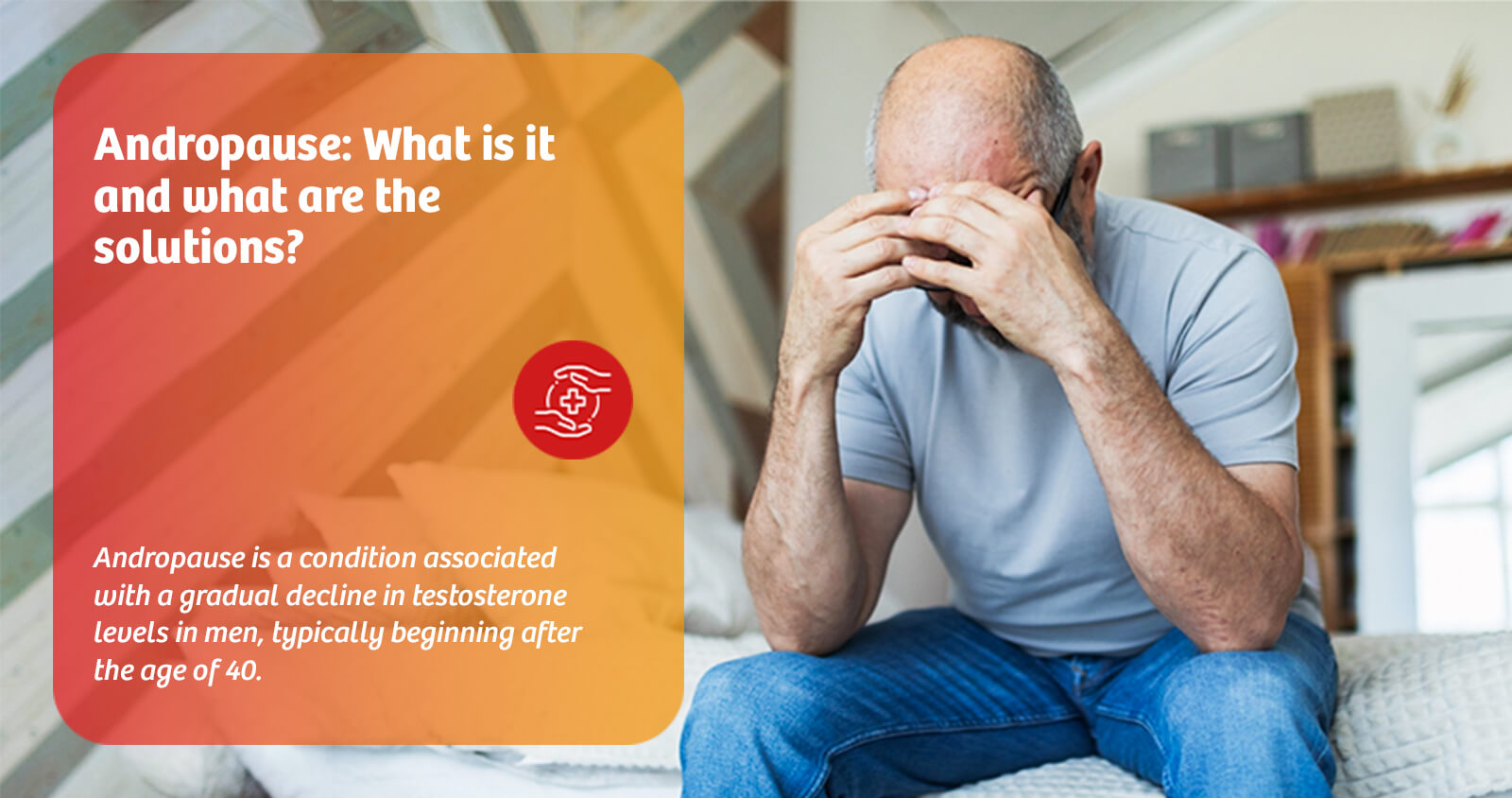
Andropause is a condition associated with a gradual decline in testosterone levels in men, typically beginning after the age of 40.
Unlike menopause, which occurs suddenly in women, andropause develops slowly over time.
The primary cause is reduced testosterone production by the testes. However, several contributing factors accelerate this decline
Medical conditions like metabolic syndrome and hormonal disorders can also play a role.
Andropause affects both physical and mental health. Common symptoms include
Physical symptoms
Psychological symptoms
Sexual health changes
1. Clinical evaluation
Doctors assess symptoms and medical history.
2. Blood tests
3. Lifestyle assessment
Diet, sleep, stress, and physical activity are evaluated.
The good news is that andropause can be effectively managed with a combination of medical treatment and lifestyle changes.
Exercise regularly
Healthy diet
Improve sleep
Manage stress
Chronic stress increases cortisol levels, which in turn lowers testosterone.
Techniques include
What is TRT?
Testosterone replacement therapy involves supplementing testosterone through
Benefits of TRT
Risks and considerations
Treating underlying conditions can significantly improve symptoms
Consult a specialist if you experience
Early diagnosis can prevent complications and improve quality of life.
Myths about andropause
Myth 1: It affects all men
Not true. Many men age without significant symptoms.
Myth 2: It’s the same as menopause
Andropause is gradual, not sudden.
Myth 3: Only older men are affected
Symptoms can begin as early as 40.
Preventing andropause symptoms
While ageing is inevitable, symptoms can be minimised by
Andropause is a natural phase of ageing, but it doesn’t have to compromise quality of life. With the right combination of awareness, lifestyle changes, and medical care, men can continue to lead energetic, healthy, and fulfilling lives.
If you or your loved ones are experiencing symptoms, seeking timely medical advice can make a significant difference.
1. Is andropause permanent?
It is a gradual hormonal decline, but symptoms can be effectively managed
2. Can exercise increase testosterone?
Yes, especially strength training and high-intensity workouts
3. Is TRT safe?
It is safe when prescribed and monitored by a qualified doctor
4. At what age does andropause start?
Typically, after the age of 40, but this varies among individuals
5. Can diet help with andropause?
Yes, a balanced diet plays a key role in hormone health
